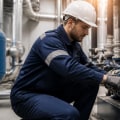
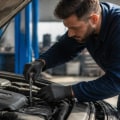
In the realm of HVAC systems, the term mechanical services encompasses a wide array of functions that are crucial for maintaining optimal indoor environments. These services include the design, installation, maintenance, and repair of heating, ventilation, and air conditioning systems. Understanding the role of mechanical services is essential for anyone looking to grasp how HVAC systems operate efficiently and effectively. Mechanical services play a pivotal role in ensuring that HVAC systems function at their best. They not only contribute to the comfort of occupants by regulating temperature and air quality but also enhance energy efficiency, which is increasingly important in today’s environmentally conscious society.
By integrating advanced technologies and practices, mechanical services help in minimizing energy consumption while maximizing performance. Moreover, the significance of mechanical services extends beyond mere functionality; they are integral to compliance with safety standards and regulations. Properly executed mechanical services ensure that HVAC systems operate safely, reducing the risk of malfunctions that could lead to hazardous situations. As we delve deeper into this topic, we will explore how these services impact system longevity, operational costs, and overall user satisfaction.
What Are Mechanical Services?
Mechanical services
play a crucial role in the functionality and efficiency of HVAC (Heating, Ventilation, and Air Conditioning) systems. These services encompass a wide range of activities that ensure the proper installation, maintenance, and repair of mechanical components within HVAC systems.At its core, mechanical services refer to the engineering and technical support provided to maintain and optimize mechanical systems.
This includes everything from the design phase to ongoing maintenance and troubleshooting. Understanding the various types of mechanical services is essential for anyone involved in HVAC management.
Types of Mechanical Services
- Installation Services: This involves the setup of HVAC systems, including the installation of heating units, air conditioning units, ductwork, and ventilation systems. Proper installation is critical for ensuring system efficiency and longevity.
- Maintenance Services: Regular maintenance is vital for preventing breakdowns and ensuring optimal performance. This includes routine inspections, cleaning, and servicing of HVAC components to enhance their lifespan.
- Repair Services: When HVAC systems malfunction, mechanical services provide repair solutions to restore functionality.
This may involve fixing leaks, replacing faulty components, or recalibrating systems.
- Consultation Services: Mechanical services often include expert consultation to help businesses and homeowners choose the right HVAC systems based on their specific needs and environmental conditions.
The Role of Mechanical Services in HVAC Systems
The role of mechanical services in HVAC systems is pivotal for ensuring optimal performance and efficiency. These services encompass a range of functions that are essential for the installation, maintenance, and repair of heating, ventilation, and air conditioning systems.Mechanical services
primarily focus on the mechanical components of HVAC systems, which include pumps, compressors, fans, and ductwork. Each of these components plays a crucial role in the overall functionality of the system:- Pumps: They circulate water or refrigerant throughout the system, ensuring that heat is distributed effectively.
- Compressors: These devices compress refrigerant gas, allowing it to absorb heat from indoor air and release it outside.
- Fans: Fans are responsible for moving air through the ductwork, facilitating proper ventilation and temperature control.
- Ductwork: Properly designed and maintained ductwork is essential for efficient airflow and minimizing energy loss.
Regular maintenance performed by skilled technicians ensures that all mechanical components operate at peak efficiency. This not only prolongs the lifespan of the HVAC system but also reduces energy consumption, leading to lower utility bills.In addition to maintenance, mechanical services also involve troubleshooting and repairing any issues that may arise within the system. Quick identification and resolution of problems can prevent costly breakdowns and ensure that indoor environments remain comfortable year-round.Ultimately, investing in quality mechanical services is essential for any HVAC system. It guarantees reliability, enhances energy efficiency, and contributes to a healthier indoor climate by ensuring proper ventilation and temperature control.
Key Components of Mechanical Services in HVAC
Understanding the key components of mechanical services in HVAC systems is crucial for ensuring optimal performance and efficiency.Each component plays a vital role in the overall functionality of the system, contributing to heating, cooling, and ventilation processes.
- Heating Equipment: This includes boilers, furnaces, and heat pumps that generate heat for residential and commercial spaces. These units are essential for maintaining comfortable indoor temperatures during colder months.
- Cooling Equipment: Air conditioners and chillers fall under this category. They are responsible for removing heat from indoor air, providing relief during hot weather. Understanding their operation helps in selecting the right size and type for specific needs.
- Ventilation Systems: These systems ensure a continuous flow of fresh air while expelling stale air.
Components like exhaust fans, ductwork, and air filters are integral to maintaining indoor air quality.
- Ductwork: This network of ducts distributes conditioned air throughout a building. Proper design and installation are critical to avoid energy losses and ensure even temperature distribution.
- Controls and Thermostats: Modern HVAC systems utilize advanced controls and smart thermostats to optimize energy use. These components allow users to set desired temperatures and schedules, enhancing comfort while reducing energy costs.
- Piping Systems: In hydronic heating systems, pipes transport hot water or steam to radiators or underfloor heating systems. The efficiency of these systems relies heavily on the quality of the piping and insulation.
Regular maintenance and understanding of these components can lead to improved performance, longevity, and energy savings.
Benefits of Proper Mechanical Services Maintenance
Regular maintenance of mechanical services in HVAC systems is crucial for ensuring optimal performance and longevity. By investing in routine maintenance, property owners can reap numerous benefits that extend beyond mere functionality.- Enhanced Energy Efficiency: One of the primary advantages of proper maintenance is improved energy efficiency. Well-maintained HVAC systems operate more smoothly, consuming less energy to achieve the desired temperature. This not only reduces utility bills but also minimizes the environmental impact.
- Increased Lifespan: Just like any other mechanical system, HVAC units benefit from regular check-ups.
Routine maintenance helps identify potential issues before they escalate, significantly extending the lifespan of the equipment. This proactive approach can save homeowners and businesses from costly replacements.
- Improved Indoor Air Quality: Regular maintenance of mechanical services ensures that filters are clean and components are functioning correctly. This leads to better indoor air quality, reducing allergens and pollutants that can affect health.
- Reduced Repair Costs: By addressing minor issues during maintenance visits, larger and more expensive repairs can be avoided. This not only saves money but also minimizes downtime, ensuring that heating and cooling systems are always operational when needed.
- Consistent Comfort Levels: A well-maintained HVAC system provides consistent heating and cooling throughout a space.
This reliability enhances comfort for occupants, whether in residential or commercial settings.
Common Issues with Mechanical Services in HVAC Systems
Mechanical services play a crucial role in the efficiency and functionality of HVAC systems. However, several common issues can arise, leading to decreased performance and increased energy costs.Understanding these problems is essential for effective troubleshooting and maintenance.
- Inadequate Airflow: One of the most frequent issues is inadequate airflow, which can stem from clogged filters, blocked ducts, or malfunctioning fans. This not only affects comfort levels but can also strain the system, leading to further complications.
- Refrigerant Leaks: Refrigerant leaks are another significant concern. They can cause the HVAC system to operate inefficiently, resulting in higher energy bills and inadequate cooling or heating. Regular inspections can help identify and rectify these leaks before they escalate.
- Thermostat Malfunctions: A malfunctioning thermostat can lead to improper temperature regulation.
This issue often manifests as inconsistent heating or cooling, prompting the need for recalibration or replacement.
- Noisy Operation: Unusual noises from the HVAC system can indicate mechanical issues such as loose components or failing motors. Addressing these sounds promptly can prevent more severe damage.
- Inspect and replace air filters regularly to ensure proper airflow.
- Check ductwork for blockages or leaks that could impede performance.
- Monitor refrigerant levels and look for signs of leaks.
- Test the thermostat settings and functionality periodically.
Future Trends in Mechanical Services for HVAC Systems
The landscape of mechanical services in HVAC systems is rapidly evolving, driven by advancements in technology and a growing emphasis on sustainability. As we look to the future, several key trends are emerging that will significantly impact how mechanical services are integrated into HVAC systems.Smart Technology Integration
One of the most notable trends is the integration of smart technologies into HVAC systems.This includes the use of IoT (Internet of Things) devices that allow for real-time monitoring and control of HVAC operations. These technologies enable predictive maintenance, which can reduce downtime and improve system efficiency. For instance, sensors can detect anomalies in system performance, alerting technicians before a minor issue escalates into a major problem.
Sustainability and Energy Efficiency
As environmental concerns continue to rise, there is an increasing demand for sustainable HVAC solutions. Mechanical services are adapting by incorporating energy-efficient components and systems that minimize energy consumption.Innovations such as variable refrigerant flow (VRF) systems and advanced heat pumps are becoming more prevalent, allowing for greater energy savings and reduced carbon footprints.
Enhanced Automation
Automation is another significant trend shaping the future of mechanical services in HVAC. Automated systems can optimize energy use by adjusting settings based on occupancy patterns and external weather conditions. This not only enhances comfort but also leads to substantial cost savings for building owners.Data Analytics and AI
The use of data analytics and artificial intelligence (AI) in HVAC systems is set to revolutionize mechanical services. By analyzing vast amounts of data collected from HVAC operations, AI can provide insights that lead to improved system design and operation.This technology can help identify trends, forecast maintenance needs, and optimize performance, ensuring that HVAC systems operate at peak efficiency.In conclusion, the future of mechanical services in HVAC systems is bright, characterized by smart technology integration, sustainability efforts, enhanced automation, and the application of data analytics. These innovations not only promise to improve system performance but also contribute to a more sustainable future.
FAQs About Mechanical Services in HVAC Systems
Understanding mechanical services in HVAC systems can be complex, and many people have questions about their functionality and importance. Here are some frequently asked questions that can help clarify common doubts:- What are mechanical services in HVAC?
Mechanical services refer to the installation, maintenance, and repair of mechanical systems within HVAC setups. This includes components like boilers, chillers, pumps, and ductwork that are essential for heating, cooling, and ventilation. - Why are mechanical services important?
These services ensure that HVAC systems operate efficiently and effectively.Regular maintenance can prevent costly breakdowns and extend the lifespan of the equipment.
- How often should mechanical services be performed?
It is recommended to have mechanical services conducted at least once a year. However, systems in high-use environments may require more frequent inspections. - What are the signs that my HVAC system needs mechanical services?
Common indicators include unusual noises, inconsistent temperatures, increased energy bills, and frequent cycling on and off. If you notice any of these signs, it may be time to consult a professional. - Can I perform mechanical services myself?
While some basic maintenance tasks can be done by homeowners, such as changing filters or cleaning vents, it is advisable to hire a qualified technician for more complex mechanical services to ensure safety and compliance with regulations.
Conclusion: The Essential Role of Mechanical Services in HVAC Systems
In conclusion, the role of mechanical services in HVAC systems is pivotal for ensuring optimal performance, energy efficiency, and longevity of the equipment. Throughout this article, we have explored various aspects of mechanical services, highlighting their significance in the overall functionality of heating, ventilation, and air conditioning systems.Regular maintenance
is one of the key components of mechanical services.It not only helps in identifying potential issues before they escalate but also enhances the system's efficiency. By scheduling routine inspections and servicing, property owners can avoid costly repairs and ensure that their HVAC systems operate smoothly.Moreover, understanding the intricacies of mechanical services allows for better decision-making when it comes to upgrades or replacements. As technology evolves, newer systems often come with advanced features that can significantly reduce energy consumption and improve indoor air quality. Knowledge of these advancements empowers users to make informed choices that align with their specific needs.Additionally, the integration of mechanical services with smart technologies is transforming how HVAC systems are managed.
Smart thermostats and automated controls enable users to monitor and adjust their systems remotely, leading to enhanced comfort and efficiency.Ultimately, recognizing the essential role of mechanical services in HVAC systems is crucial for both residential and commercial applications. By prioritizing these services, stakeholders can ensure a comfortable environment while also contributing to sustainability efforts through reduced energy consumption.In summary, investing in mechanical services is not just about maintaining equipment; it’s about fostering a proactive approach to HVAC management that benefits both users and the environment.