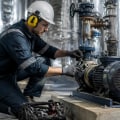
Mechanical services encompass a broad range of activities that are essential for the efficient operation of machinery and equipment across various industries. These services include installation, maintenance, and repair of mechanical systems, which can range from HVAC systems in commercial buildings to complex machinery in manufacturing plants. Understanding mechanical services is crucial, as they play a pivotal role in ensuring that operations run smoothly and safely. The importance of mechanical services cannot be overstated. In industries such as construction, automotive, and manufacturing, the reliability of mechanical systems directly impacts productivity and safety.
Regular maintenance and timely repairs help prevent costly downtimes and extend the lifespan of equipment. Furthermore, with the increasing complexity of modern machinery, skilled technicians are needed to navigate the intricacies of these systems, making their qualifications a key factor in the overall effectiveness of mechanical services. As we delve deeper into the qualifications required for technicians in this field, it is essential to recognize that their expertise not only enhances operational efficiency but also contributes to innovation within mechanical services. With advancements in technology and evolving industry standards, technicians must possess a blend of technical knowledge and practical skills to meet the demands of today’s mechanical landscape.
Educational Requirements for Mechanical Technicians
To embark on a successful career in mechanical services, aspiring technicians must meet specific educational requirements that equip them with the necessary skills and knowledge. The pathway to becoming a mechanical technician typically begins with obtaining a high school diploma or equivalent.This foundational education is crucial as it lays the groundwork for more advanced studies.Many technicians choose to pursue an associate degree in mechanical technology or a related field. These programs, often offered by community colleges and technical schools, provide hands-on training and theoretical knowledge essential for understanding mechanical systems. Coursework usually includes subjects such as:
- Mechanical design
- Fluid mechanics
- Thermodynamics
- Manufacturing processes
- Computer-aided design (CAD)
These certifications often require passing exams and may necessitate a certain amount of work experience.Furthermore, many employers prefer candidates who have completed specialized training programs or apprenticeships. These programs provide practical experience in real-world settings, allowing technicians to apply their knowledge while learning from seasoned professionals.In summary, aspiring mechanical technicians should focus on obtaining a high school diploma, pursuing an associate degree in mechanical technology, and seeking certifications to enhance their employability in the competitive field of mechanical services. By investing in their education and training, they can position themselves for success in this dynamic industry.
Essential Skills for Mechanical Service Technicians
In the field of mechanical services, technicians are required to possess a diverse set of skills that ensure they can effectively diagnose, repair, and maintain various mechanical systems. These skills can be broadly categorized into technical skills and soft skills.Technical Skills
- Mechanical Aptitude: A strong understanding of mechanical systems is essential.
Technicians must be able to read blueprints, schematics, and technical manuals to troubleshoot issues accurately.
- Problem-Solving Skills: The ability to identify problems quickly and devise effective solutions is crucial in mechanical services. Technicians often face unexpected challenges that require innovative thinking.
- Tool Proficiency: Familiarity with a wide range of tools and equipment is necessary. This includes hand tools, power tools, and diagnostic equipment specific to mechanical systems.
- Electrical Knowledge: Many mechanical systems incorporate electrical components. Understanding basic electrical principles can enhance a technician's ability to perform comprehensive repairs.
- Safety Awareness: Knowledge of safety protocols and regulations is vital.
Technicians must prioritize safety for themselves and others while working on potentially hazardous equipment.
Soft Skills
- Communication Skills: Effective communication with clients and team members is essential. Technicians must explain complex issues in simple terms and provide clear updates on repair progress.
- Attention to Detail: Precision is key in mechanical services. Technicians must pay close attention to details to ensure that repairs are completed correctly and efficiently.
- Time Management: The ability to manage time effectively allows technicians to handle multiple tasks and meet deadlines without compromising quality.
- Adaptability: The mechanical services industry is constantly evolving with new technologies. Technicians must be willing to learn and adapt to new methods and tools.
Certifications and Licenses Needed
In the field of mechanical services, obtaining the right certifications and licenses is crucial for technicians aiming to enhance their qualifications and credibility.These credentials not only demonstrate a technician's expertise but also ensure compliance with industry standards and regulations.
Certifications for Mechanical Technicians
Several certifications are available that can significantly boost a technician's career in mechanical services. Some of the most recognized certifications include:- Certified Maintenance & Reliability Technician (CMRT) : This certification focuses on maintenance practices and reliability, essential for technicians working in mechanical environments.
- Certified Manufacturing Technician (CMfgT) : Offered by the Society of Manufacturing Engineers, this certification covers fundamental manufacturing processes and principles.
- HVAC Excellence Certification : For those specializing in heating, ventilation, and air conditioning, this certification validates knowledge and skills in HVAC systems.
- National Institute for Certification in Engineering Technologies (NICET) : NICET offers various certifications that validate skills in engineering technologies, including mechanical systems.
Licensing Requirements for Mechanical Services
The licensing requirements for technicians in mechanical services can vary significantly by state and locality. Generally, technicians may need to obtain a license to operate certain machinery or perform specific tasks. Common licensing requirements include:- State Licenses: Many states require technicians to hold a license to work on HVAC systems or plumbing.
This often involves passing an exam and demonstrating a certain level of experience.
- Local Permits: Some municipalities may have additional requirements, such as local permits for specific mechanical work.
Experience and On-the-Job Training
In the field of mechanical services, hands-on experience is invaluable. It not only enhances a technician's skill set but also builds confidence in their ability to tackle real-world challenges. Employers often prioritize candidates who have practical experience, as it demonstrates a readiness to apply theoretical knowledge in a practical setting.Importance of Experience for Mechanical Technicians
- Problem-Solving Skills: Experienced technicians are better equipped to diagnose issues quickly and effectively, reducing downtime and improving service quality.
- Technical Proficiency: Regular exposure to various mechanical systems allows technicians to become adept at using tools and technologies specific to the industry.
- Adaptability: Hands-on experience helps technicians adapt to new technologies and methods, which is crucial in the ever-evolving field of mechanical services.
On-the-Job Training in Mechanical Services
On-the-job training (OJT) is a critical component of a technician's education.
This type of training allows individuals to learn directly from seasoned professionals, gaining insights that are often not covered in formal education. OJT typically includes:
- Shadowing Experienced Technicians: New technicians can observe and learn from the techniques and problem-solving approaches of their more experienced colleagues.
- Hands-On Practice: Trainees get the opportunity to work on actual projects, which helps solidify their understanding of mechanical systems.
- Feedback and Mentorship: Receiving constructive feedback from mentors helps technicians refine their skills and improve their performance.
Internships for Technicians
Internships serve as an excellent bridge between academic learning and professional practice. They provide aspiring mechanical technicians with:
- Real-World Experience: Internships allow students to apply classroom knowledge in real-world scenarios, enhancing their understanding of mechanical services.
- Networking Opportunities: Building relationships with industry professionals during internships can lead to job offers and valuable connections in the field.
- A Competitive Edge: Completing an internship can make a technician's resume stand out, showcasing their commitment to gaining practical experience.
Career Advancement Opportunities in Mechanical Services
The field of mechanical services offers a variety of career advancement opportunities for technicians who are eager to grow and develop their skills.As the demand for skilled professionals in this sector continues to rise, technicians can explore numerous pathways to enhance their careers.
1.Specialization in Niche Areas
- Technicians can choose to specialize in specific areas such as HVAC systems, automotive repair, or industrial machinery. This specialization often leads to higher pay and increased job security.
- Certifications in specialized fields can further enhance a technician's qualifications, making them more attractive to employers.
2.Leadership Roles
- With experience, technicians may move into supervisory or managerial positions. These roles often involve overseeing teams, managing projects, and ensuring quality control.
- Leadership training programs can prepare technicians for these responsibilities, equipping them with essential management skills.
3.Entrepreneurship
- Experienced technicians may choose to start their own mechanical services businesses. This path allows for greater autonomy and the potential for significant financial rewards.
- Business management courses can provide the necessary knowledge to successfully run a company.
4.Continuous Education and Training
- The mechanical services industry is constantly evolving with new technologies and practices.
Technicians who engage in continuous education are better positioned for advancement.
- Participating in workshops, seminars, and online courses can keep technicians updated on the latest trends and innovations.
Frequently Asked Questions about Mechanical Services Qualifications
When considering a career in mechanical services, many aspiring technicians have questions about the necessary qualifications and career paths. Below are some frequently asked questions that can provide clarity.What qualifications do I need to become a mechanical technician?
To start a career in mechanical services, most employers require at least a high school diploma or equivalent. However, pursuing further education can significantly enhance your job prospects.Many technicians opt for an associate degree in mechanical technology or a related field, which provides foundational knowledge and hands-on experience.
Are certifications important for mechanical technicians?
Yes, obtaining certifications can be crucial for advancing your career in mechanical services. Certifications from recognized organizations, such as the National Institute for Certification in Engineering Technologies (NICET) or the American Society of Mechanical Engineers (ASME), can demonstrate your expertise and commitment to the field. These credentials often make candidates more attractive to potential employers.What skills are essential for entry-level positions?
- Technical Skills: A solid understanding of mechanical systems and tools is fundamental.
- Problem-Solving: The ability to troubleshoot and resolve issues efficiently is highly valued.
- Attention to Detail: Precision is key in mechanical services, where small errors can lead to significant problems.
- Communication: Effective communication skills are necessary for collaborating with team members and explaining technical concepts to clients.
What are common career paths in mechanical services?
Entry-level positions in mechanical services often lead to various career paths, including:- Field Technician: Working on-site to install, maintain, and repair mechanical systems.
- Service Manager: Overseeing service operations and managing technician teams.
- Sales Engineer: Utilizing technical knowledge to sell mechanical products and services.
Conclusion: The Path to Becoming a Qualified Mechanical Technician
In conclusion, the journey to becoming a qualified technician in mechanical services is multifaceted and requires a combination of education, practical skills, certifications, and hands-on experience. Each of these elements plays a crucial role in shaping a competent professional capable of meeting the demands of the industry.Education
serves as the foundation for aspiring technicians.
A high school diploma or equivalent is typically the minimum requirement, but pursuing further education through vocational schools or community colleges can significantly enhance one’s knowledge base. Programs that focus on mechanical engineering technology or related fields provide essential theoretical and practical insights.Equally important are the skills that technicians must develop. Proficiency in reading blueprints, understanding mechanical systems, and utilizing diagnostic tools are vital. Additionally, strong problem-solving abilities and attention to detail are essential traits that help technicians troubleshoot issues effectively.Obtaining relevant certifications can also set candidates apart in a competitive job market.
Certifications from recognized organizations not only validate a technician's skills but also demonstrate a commitment to professional development. For instance, certifications from the National Institute for Certification in Engineering Technologies (NICET) can enhance credibility.Finally, experience gained through internships or entry-level positions is invaluable. Real-world exposure allows technicians to apply their knowledge in practical settings, learn from seasoned professionals, and adapt to the evolving technologies within the field of mechanical services.In summary, aspiring mechanical technicians should focus on acquiring a solid educational background, honing relevant skills, obtaining certifications, and gaining practical experience. By following this path, they can position themselves for success in the dynamic world of mechanical services.