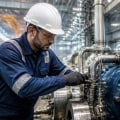
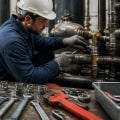
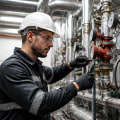
Mechanical services encompass a wide range of activities and solutions that are essential for the efficient operation of various systems within buildings and industrial facilities. These services include the installation, maintenance, and repair of mechanical systems such as heating, ventilation, air conditioning (HVAC), plumbing, and refrigeration. By ensuring that these systems function optimally, mechanical services play a crucial role in enhancing energy efficiency and reducing operational costs. The significance of mechanical services extends beyond mere functionality; they are integral to the sustainability initiatives adopted by many organizations today. As industries strive to minimize their environmental impact, the role of mechanical services becomes increasingly vital.
For instance, energy-efficient HVAC systems not only improve indoor air quality but also significantly lower energy consumption, contributing to a reduction in greenhouse gas emissions. Moreover, the importance of mechanical services is underscored by their ability to adapt to evolving technologies and regulations aimed at promoting sustainability. With advancements in smart building technologies and renewable energy integration, mechanical services are at the forefront of creating environments that are not only comfortable but also environmentally responsible. Understanding these services is essential for businesses looking to align their operations with sustainability goals while maintaining high standards of performance and reliability.
The Connection Between Mechanical Services and Sustainability
The integration of mechanical services into sustainability initiatives is pivotal for organizations aiming to reduce their environmental footprint. These services encompass a range of activities, including HVAC (heating, ventilation, and air conditioning) systems, plumbing, and energy management, all of which play a crucial role in enhancing energy efficiency and minimizing waste.Mechanical services
contribute to sustainability in several key ways:- Energy Efficiency: By optimizing HVAC systems and implementing advanced controls, mechanical services can significantly reduce energy consumption.
This not only lowers operational costs but also decreases greenhouse gas emissions.
- Water Conservation: Efficient plumbing systems designed by mechanical service providers can minimize water wastage. Techniques such as rainwater harvesting and greywater recycling are increasingly being integrated into modern designs.
- Indoor Air Quality: Mechanical services ensure proper ventilation and filtration, which enhances indoor air quality. This is essential for creating healthier environments in residential and commercial buildings.
- Renewable Energy Integration: Mechanical services facilitate the incorporation of renewable energy sources, such as solar panels and geothermal systems, into existing infrastructures. This transition supports a shift towards sustainable energy solutions.
They also align with broader sustainability goals by:
- Reducing Carbon Footprint: By implementing energy-efficient systems, organizations can significantly lower their carbon emissions, contributing to global efforts against climate change.
- Enhancing Corporate Responsibility: Companies that prioritize sustainability through mechanical services demonstrate a commitment to environmental stewardship, which can enhance their brand reputation and attract eco-conscious consumers.
- Compliance with Regulations: Many regions have stringent environmental regulations. Mechanical services help businesses comply with these laws, avoiding penalties while promoting sustainable practices.
Energy Efficiency and Mechanical Services
In today's world, energy efficiency is a critical component of sustainability initiatives, and mechanical services play a pivotal role in achieving this goal. By implementing advanced technologies and optimizing existing systems, mechanical services can significantly reduce energy consumption and enhance overall operational efficiency.One of the primary areas where mechanical services contribute to energy efficiency is through the installation and maintenance of HVAC systems.These systems are responsible for heating, ventilation, and air conditioning in residential and commercial buildings. Modern HVAC solutions are designed with energy-saving features that not only improve comfort but also minimize energy usage. For instance:
- Variable Speed Drives: These allow HVAC systems to adjust their speed based on demand, reducing energy consumption during low-load periods.
- Smart Thermostats: These devices optimize heating and cooling schedules based on occupancy patterns, ensuring that energy is not wasted when spaces are unoccupied.
- High-Efficiency Equipment: Upgrading to high-efficiency boilers, chillers, and air handlers can lead to substantial reductions in energy use.
- Routine Inspections: Regular checks help identify potential issues before they escalate, ensuring systems run smoothly.
- Filter Replacements: Keeping filters clean enhances airflow and system efficiency, reducing the workload on HVAC units.
- Duct Sealing: Properly sealed ducts prevent air leaks, ensuring that conditioned air reaches its intended destination without unnecessary energy loss.
These technologies not only reduce reliance on fossil fuels but also contribute to a lower carbon footprint.Ultimately, by leveraging advanced technologies and maintaining existing systems, mechanical services are essential in promoting sustainability. Their efforts lead to reduced energy consumption, lower operational costs, and a significant positive impact on the environment.
Innovative Technologies in Mechanical Services
In the realm of mechanical services, innovative technologies are paving the way for enhanced sustainability initiatives. These advancements not only improve operational efficiency but also significantly reduce environmental impact.Smart Building Solutions
One of the most promising developments in mechanical services is the integration of smart building solutions. These systems utilize advanced sensors and automation to optimize energy consumption.For instance, smart thermostats can adjust heating and cooling based on occupancy, ensuring that energy is not wasted in unoccupied spaces. Additionally, smart lighting systems can adapt to natural light levels, further reducing energy usage.
The Role of IoT in Mechanical Services
The Internet of Things (IoT) plays a crucial role in modern mechanical services. By connecting various mechanical systems to the internet, facilities managers can monitor performance in real-time. This connectivity allows for predictive maintenance, where potential issues are identified before they lead to system failures.As a result, downtime is minimized, and resources are used more efficiently.
- Energy Management: IoT devices can track energy consumption patterns, enabling organizations to make informed decisions about energy use and identify areas for improvement.
- Water Conservation: Smart irrigation systems can adjust watering schedules based on weather forecasts and soil moisture levels, promoting water conservation.
- Indoor Air Quality: Sensors can monitor air quality and adjust ventilation systems accordingly, ensuring a healthier indoor environment while optimizing energy use.
Case Studies: Successful Implementation of Mechanical Services for Sustainability
In recent years, numerous organizations have successfully integrated mechanical services into their sustainability initiatives, demonstrating the potential for significant environmental impact. Here are a few notable case studies:- Case Study 1: Green Building Initiative at XYZ Corporation
XYZ Corporation implemented a comprehensive mechanical services overhaul in their headquarters, focusing on energy-efficient HVAC systems. By upgrading to variable refrigerant flow (VRF) systems and incorporating smart thermostats, they reduced energy consumption by 30%.This initiative not only lowered operational costs but also contributed to their LEED certification, showcasing how mechanical services can enhance building sustainability.
- Case Study 2: Water Conservation at ABC Manufacturing
ABC Manufacturing adopted advanced mechanical services to optimize their water usage. By installing high-efficiency plumbing fixtures and implementing a rainwater harvesting system, they achieved a 40% reduction in water consumption. This initiative not only supported their sustainability goals but also improved their corporate image among environmentally conscious consumers. - Case Study 3: Renewable Energy Integration at DEF University
DEF University partnered with mechanical services experts to integrate renewable energy sources into their campus infrastructure. The installation of geothermal heating and cooling systems significantly decreased reliance on fossil fuels, resulting in a 50% reduction in greenhouse gas emissions.This project exemplifies how mechanical services can facilitate the transition to renewable energy and promote long-term sustainability.
Challenges and Solutions in Implementing Mechanical Services for Sustainability
Implementing mechanical services that align with sustainability initiatives presents several challenges. Understanding these obstacles is crucial for developing effective solutions that promote environmental responsibility while maintaining operational efficiency.Challenges in Mechanical Services- High Initial Costs: The upfront investment required for sustainable mechanical systems can be a significant barrier for many organizations. Advanced technologies, such as energy-efficient HVAC systems or renewable energy sources, often come with a hefty price tag.
- Lack of Skilled Workforce: There is often a shortage of professionals trained in sustainable practices within the mechanical services sector.
This gap can hinder the implementation of innovative solutions.
- Resistance to Change: Organizations may face internal resistance when transitioning to sustainable practices, particularly if existing systems are deeply entrenched.
- Financial Incentives: Governments and organizations can provide grants, tax credits, or low-interest loans to offset initial costs, making it easier for businesses to invest in sustainable mechanical services.
- Training and Education: Investing in workforce development through training programs focused on sustainable practices can help bridge the skills gap. Collaborations with educational institutions can also foster a new generation of skilled professionals.
- Change Management Strategies: Implementing structured change management processes can help organizations navigate resistance. Engaging stakeholders early and demonstrating the long-term benefits of sustainability can facilitate smoother transitions.
Future Trends in Mechanical Services and Sustainability
As we look towards the future, mechanical services are poised to play a pivotal role in advancing sustainability initiatives across various industries. The integration of innovative technologies and practices will not only enhance operational efficiency but also significantly reduce environmental impact.Emerging Technologies in Mechanical Services
One of the most promising trends is the adoption of smart technologies.These include Internet of Things (IoT) devices that monitor and optimize energy consumption in real-time. By utilizing data analytics, mechanical services can identify inefficiencies and implement solutions that lead to substantial energy savings.
Renewable Energy Integration
The future of mechanical services also lies in the seamless integration of renewable energy sources. As solar and wind technologies become more prevalent, mechanical systems will need to adapt to incorporate these energy sources effectively. This shift not only supports sustainability but also aligns with global efforts to reduce reliance on fossil fuels.Focus on Circular Economy
Another significant trend is the movement towards a circular economy.Mechanical services will increasingly focus on designing systems that minimize waste and promote recycling. This includes using sustainable materials and developing processes that allow for the reuse of components, thereby reducing the overall carbon footprint.
Enhanced Training and Workforce Development
To support these advancements, there will be a growing emphasis on training and workforce development within the mechanical services sector. Professionals will need to be equipped with the skills necessary to implement new technologies and practices that align with sustainability goals.In conclusion, the future of mechanical services is closely intertwined with sustainability initiatives. By embracing emerging technologies, integrating renewable energy, focusing on circular economy principles, and investing in workforce training, mechanical services can significantly contribute to a more sustainable future.FAQs About Mechanical Services and Sustainability Initiatives
As sustainability becomes a priority for many organizations, understanding the role of mechanical services in supporting these initiatives is crucial.Here are some frequently asked questions that clarify this intersection:
- What are mechanical services?
Mechanical services encompass a range of activities related to the design, installation, maintenance, and repair of mechanical systems, including HVAC (heating, ventilation, and air conditioning), plumbing, and refrigeration systems. - How do mechanical services contribute to sustainability?
Mechanical services contribute to sustainability by optimizing energy efficiency in buildings. For instance, modern HVAC systems designed by mechanical service providers can significantly reduce energy consumption, leading to lower greenhouse gas emissions. - Can mechanical services help in reducing waste?
Yes, by implementing efficient systems and practices, mechanical services can minimize waste. For example, regular maintenance of plumbing systems can prevent leaks and water wastage. - What technologies do mechanical services use to support sustainability?
Mechanical service providers often utilize advanced technologies such as smart thermostats, energy management systems, and sustainable materials that enhance the efficiency and longevity of mechanical systems. - Are there certifications for sustainable mechanical services?
Yes, many mechanical service providers pursue certifications such as LEED (Leadership in Energy and Environmental Design) or Energy Star to demonstrate their commitment to sustainability practices.