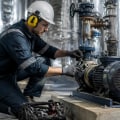
Mechanical services encompass a broad range of activities that are essential for the maintenance and operation of various mechanical systems. These services include everything from routine maintenance and repairs to complex installations and system overhauls. Understanding mechanical services is crucial for both homeowners and businesses, as these services ensure that machinery and equipment function efficiently and safely. Despite their importance, there are several misconceptions about mechanical services that can lead to misunderstandings and potentially costly mistakes. For instance, many people believe that mechanical services are only necessary when a system breaks down.
In reality, regular maintenance can prevent breakdowns and extend the lifespan of equipment. Additionally, some may think that all mechanical services are the same, failing to recognize the specialized skills required for different types of machinery. As we delve deeper into this topic, it’s essential to clarify these misconceptions to foster a better understanding of what mechanical services truly entail. By addressing these common myths, we can help individuals make informed decisions regarding their mechanical needs, ultimately leading to improved efficiency and reduced costs in the long run.
Misconception 1: Mechanical Services Are Only for Large Industries
One of the most prevalent misconceptions about mechanical services is that they are exclusively designed for large industries. This belief can lead small businesses to overlook the significant benefits that tailored mechanical services can provide.In reality, mechanical services are essential across various sectors, including commercial and residential applications.Small businesses often operate under tight budgets and may assume that investing in mechanical services is an unnecessary expense. However, neglecting these services can result in costly repairs and downtime in the long run. Here are a few reasons why mechanical services are crucial for small businesses:
- Efficiency Improvements: Regular maintenance and mechanical support can enhance the efficiency of equipment, leading to reduced operational costs.
- Safety Compliance: Mechanical services ensure that equipment meets safety standards, protecting employees and customers alike.
- Prolonged Equipment Lifespan: Routine checks and timely repairs can extend the life of machinery, providing better return on investment.
This means that even small enterprises can benefit from specialized mechanical solutions tailored to their unique needs.In conclusion, dismissing mechanical services as only relevant for large industries not only undermines their value but also limits opportunities for small businesses to thrive. By recognizing the importance of these services, small business owners can make informed decisions that enhance their operational efficiency and overall success.
Misconception 2: All Mechanical Services Are the Same
One of the most prevalent misconceptions about mechanical services is the belief that all services in this field are identical. In reality, the landscape of mechanical services is incredibly diverse, encompassing a wide range of specialties and expertise.Types of Mechanical Services
- HVAC Services: These focus on heating, ventilation, and air conditioning systems, ensuring optimal indoor climate control.
- Plumbing Services: This includes installation and maintenance of piping systems, fixtures, and appliances related to water supply and drainage.
- Electrical Services: These services deal with electrical systems, including wiring, circuit breakers, and lighting installations.
- Automotive Mechanical Services: Specialized in vehicle repair and maintenance, covering everything from engine diagnostics to brake repairs.
This specialization is crucial for ensuring that each service is performed correctly and efficiently.
Differences in Mechanical Services
The differences among mechanical services extend beyond just the type of work performed. They also include:- Tools and Equipment: Different mechanical services utilize specialized tools tailored to their specific tasks. For example, HVAC technicians use refrigerant gauges, while plumbers rely on pipe wrenches and augers.
- Training and Certification: Each specialty often requires distinct training programs and certifications. For instance, HVAC professionals may need EPA certification for handling refrigerants.
- Regulatory Compliance: Different types of mechanical services are governed by various regulations that ensure safety and quality standards are met.
For example, within HVAC services, you might find specialists in geothermal heating or commercial refrigeration. This level of specialization allows professionals to provide tailored solutions that meet specific client needs.In conclusion, understanding the diversity within mechanical services is essential for both consumers and professionals alike. Recognizing that not all mechanical services are the same can lead to better decision-making when it comes to hiring qualified technicians for specific tasks.
Misconception 3: Mechanical Services Are Only About Repairs
One of the most prevalent misconceptions about mechanical services is that they are solely focused on repairs. While addressing breakdowns and malfunctions is a critical aspect of these services, the scope extends far beyond just fixing issues.Understanding this broader perspective can significantly enhance the value derived from mechanical services.
Preventive maintenance
plays a crucial role in the comprehensive nature of mechanical services. Regular maintenance checks can identify potential problems before they escalate into costly repairs. This proactive approach not only extends the lifespan of equipment but also ensures optimal performance, reducing downtime and enhancing efficiency.Moreover, mechanical services encompass installation and upgrades. Whether it’s setting up new machinery or upgrading existing systems, skilled technicians provide essential expertise to ensure that installations are performed correctly and safely.This aspect is vital for businesses looking to enhance their operational capabilities without facing unexpected interruptions.Additionally, mechanical services include consultation and system design. Professionals in this field can assess a company’s specific needs and recommend tailored solutions that align with their operational goals. This strategic planning is essential for optimizing workflows and ensuring that all mechanical systems work harmoniously together.In summary, while repairs are an important component of mechanical services, they represent just a fraction of what these services entail. By embracing a more holistic view that includes preventive maintenance, installation, and consultation, businesses can leverage mechanical services to achieve greater efficiency and reliability in their operations.
Misconception 4: Mechanical Services Are Too Expensive
One of the most prevalent misconceptions about mechanical services is that they are prohibitively expensive.While it’s true that some mechanical services can come with a hefty price tag, this perception often overlooks the long-term value and potential cost savings these services can provide.Many individuals and businesses hesitate to invest in mechanical services due to the initial costs. However, it’s essential to consider the following:
- Preventive Maintenance: Regular maintenance can prevent costly breakdowns and repairs down the line. Investing in routine checks can save you money by extending the lifespan of your equipment.
- Energy Efficiency: Upgrading to more efficient systems can significantly reduce energy bills. Although the upfront cost may be higher, the savings on utility bills can offset this expense over time.
- Expertise and Quality: Hiring qualified professionals ensures that the job is done right the first time, reducing the likelihood of future issues that could lead to more expenses.
This accessibility makes it easier for clients to manage costs without sacrificing quality.Ultimately, while the initial investment in mechanical services may seem daunting, understanding their long-term benefits can shift your perspective. Rather than viewing them as an expense, consider them an investment in efficiency, reliability, and peace of mind.
Misconception 5: You Can Handle Mechanical Issues Yourself
Many individuals believe that they can tackle mechanical issues on their own, often inspired by DIY videos or tutorials. While the intention to save money and learn new skills is commendable, the reality is that DIY mechanical repairs can lead to more harm than good.Understanding the Risks of DIY Mechanical Services
- Lack of Expertise: Most DIY enthusiasts lack the specialized training and experience that professionals possess. This can result in improper repairs that may exacerbate the original problem.
- Safety Hazards: Mechanical systems often involve high pressures, electrical components, or hazardous materials.
Attempting repairs without proper knowledge can pose serious safety risks, including injury or accidents.
- Cost Implications: While DIY repairs may seem cost-effective initially, mistakes can lead to costly damages that require professional intervention. In some cases, the expense of fixing a botched DIY job far exceeds the cost of hiring a professional from the start.
The Value of Professional Expertise
Professional mechanical services bring a wealth of knowledge and tools that are essential for effective repairs. Trained technicians can quickly diagnose issues and implement solutions that not only fix the problem but also prevent future complications. Their expertise ensures that repairs are done correctly and safely, providing peace of mind for vehicle owners.In conclusion, while the allure of DIY mechanical repairs is strong, it is crucial to recognize the potential dangers and drawbacks.
Relying on professional services not only guarantees quality work but also safeguards your investment in your vehicle or machinery.
Frequently Asked Questions About Mechanical Services
When it comes to mechanical services, many individuals have questions that stem from common misconceptions. Here are some frequently asked questions that can help clarify these misunderstandings:- What exactly do mechanical services include?
Mechanical services encompass a wide range of tasks, including installation, maintenance, and repair of mechanical systems such as HVAC, plumbing, and electrical systems. These services ensure that equipment operates efficiently and safely. - Are mechanical services only for commercial properties?
This is a common misconception. While many mechanical service providers cater to commercial clients, they also offer services for residential properties.Homeowners can benefit from regular maintenance and repairs to keep their systems running smoothly.
- How often should I schedule mechanical services?
The frequency of service depends on the type of system and its usage. Generally, it is advisable to have your systems inspected at least once a year. For systems that are heavily used, more frequent checks may be necessary. - Can I perform mechanical services myself?
While some minor maintenance tasks can be done by homeowners, such as changing air filters or checking fluid levels, most mechanical services require professional expertise. Attempting complex repairs without proper knowledge can lead to further damage or safety hazards. - What are the benefits of regular mechanical service?
Regular maintenance can extend the lifespan of your equipment, improve energy efficiency, and reduce the likelihood of costly repairs in the future.It also ensures compliance with safety regulations.
Conclusion: Clarifying the Truth About Mechanical Services
In conclusion, understanding the realities of mechanical services is crucial for both consumers and businesses alike. Throughout this article, we have addressed several common misconceptions that often cloud judgment and lead to poor decision-making.Firstly, it is essential to recognize that mechanical services encompass a wide range of tasks beyond simple repairs. These services include preventive maintenance, system installations, and comprehensive diagnostics, all aimed at ensuring optimal performance and longevity of mechanical systems.Secondly, the belief that all mechanical service providers are the same is misleading.The quality of service can vary significantly based on the provider's expertise, experience, and the technology they employ. Therefore, it is vital to conduct thorough research and choose a reputable provider who can deliver tailored solutions.Moreover, many people underestimate the importance of regular maintenance. Neglecting routine checks can lead to more significant issues down the line, resulting in costly repairs and downtime. By prioritizing maintenance, individuals can save money and extend the lifespan of their equipment.Lastly, it is a misconception that mechanical services are only necessary when something goes wrong.
In reality, proactive engagement with mechanical service providers can prevent problems before they arise, ensuring smooth operations.By clarifying these misconceptions, we encourage readers to make informed decisions regarding their mechanical service needs. Understanding the true value of these services not only enhances operational efficiency but also fosters a safer and more reliable environment for all users.