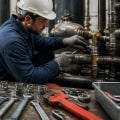
Mechanical services encompass a broad range of activities and solutions designed to enhance the functionality and efficiency of mechanical systems across various industries. These services include maintenance, repair, installation, and optimization of equipment such as HVAC systems, machinery, and industrial tools. By ensuring that these systems operate at peak performance, mechanical services play a crucial role in minimizing downtime and maximizing productivity. The definition of mechanical services extends beyond mere repairs; it involves a comprehensive understanding of mechanical systems and their interactions within larger operational frameworks. This expertise allows professionals to identify potential issues before they escalate into costly problems.
For instance, regular maintenance checks can prevent unexpected breakdowns, ensuring that machinery runs smoothly and efficiently. The importance of mechanical services cannot be overstated. In industries ranging from manufacturing to healthcare, the reliability of mechanical systems directly impacts overall performance and safety. By investing in quality mechanical services, businesses can not only extend the lifespan of their equipment but also improve energy efficiency and reduce operational costs. Ultimately, understanding the value of these services is essential for any organization looking to enhance its system performance and maintain a competitive edge in today’s fast-paced market.
The Role of Mechanical Services in System Performance
Mechanical services play a crucial role in enhancing the performance of various systems, whether in industrial settings, commercial buildings, or residential environments.By focusing on key aspects such as efficiency, reliability, and longevity, these services ensure that systems operate at their optimal capacity.
Efficiency
is one of the primary benefits of mechanical services. Regular maintenance and timely repairs can significantly reduce energy consumption. For instance, a well-maintained HVAC system can operate more efficiently, leading to lower utility bills and a reduced carbon footprint. Mechanical services also include the optimization of system components, ensuring that every part works harmoniously to maximize output.Another critical aspect is reliability.
Systems that receive consistent mechanical services are less likely to experience unexpected breakdowns. This reliability is essential for businesses that depend on continuous operation. Scheduled inspections and preventive maintenance help identify potential issues before they escalate into costly repairs or downtime.Moreover, the longevity of systems is greatly enhanced through mechanical services. Regular servicing not only keeps systems running smoothly but also extends their lifespan.
For example, lubricating moving parts and replacing worn-out components can prevent premature failure, allowing systems to function effectively for years.In summary, the impact of mechanical services on system performance cannot be overstated. By improving efficiency, ensuring reliability, and extending longevity, these services contribute significantly to the overall effectiveness of various systems. Investing in mechanical services is not just a maintenance strategy; it is a proactive approach to achieving optimal performance.
Key Components of Mechanical Services
Understanding the key components of mechanical services is crucial for enhancing the performance of mechanical systems. Each component plays a vital role in ensuring that systems operate efficiently and effectively.Below are some of the essential components involved in mechanical services:
- Heating, Ventilation, and Air Conditioning (HVAC): HVAC systems are integral to maintaining optimal indoor climates. Regular maintenance and servicing of these systems can lead to improved energy efficiency and air quality.
- Pumps: Pumps are essential for moving fluids within mechanical systems. Proper selection, installation, and maintenance of pumps can significantly enhance system reliability and performance.
- Compressors: Used in refrigeration and air conditioning systems, compressors are critical for maintaining pressure levels. Efficient compressors contribute to lower energy consumption and improved system longevity.
- Fans and Blowers: These components are vital for air circulation and cooling.
Regular servicing ensures they operate at peak efficiency, reducing energy costs.
- Heat Exchangers: Heat exchangers facilitate the transfer of heat between two or more fluids. Their efficiency directly impacts the overall performance of heating and cooling systems.
- Preventive Maintenance: Regular inspections and maintenance tasks help identify potential issues before they escalate, ensuring smooth operation.
- Predictive Maintenance: Utilizing advanced technologies to predict failures allows for timely interventions, minimizing downtime.
- System Upgrades: Implementing modern technologies or replacing outdated components can lead to significant performance improvements.
Preventive Maintenance and Its Benefits
Preventive maintenance is a proactive approach within mechanical services that focuses on regularly scheduled inspections, adjustments, and replacements to ensure optimal system performance. By implementing a preventive maintenance strategy, organizations can significantly enhance the reliability and efficiency of their mechanical systems.Benefits of Preventive Maintenance
- Reduced Downtime: Regular maintenance checks help identify potential issues before they escalate into major failures, thereby minimizing unexpected downtime.
- Cost Savings: By addressing minor repairs early, businesses can avoid costly emergency repairs and extend the lifespan of their equipment.
- Improved Efficiency: Well-maintained systems operate more efficiently, leading to lower energy consumption and reduced operational costs.
- Enhanced Safety: Regular inspections ensure that all mechanical components are functioning correctly, reducing the risk of accidents and injuries in the workplace.
- Scheduled Maintenance: Establishing a routine schedule for inspections and servicing based on manufacturer recommendations or operational hours.
- Predictive Maintenance: Utilizing advanced technologies such as sensors and data analytics to predict when maintenance should be performed based on actual equipment condition.
- Condition-Based Maintenance: Performing maintenance tasks only when certain indicators show signs of decreasing performance or impending failure.
Common Mechanical Service Techniques for Performance Improvement
Improving system performance through mechanical services involves a variety of techniques that focus on optimizing efficiency and reliability.Here are some common methods employed in the industry:
- Preventive Maintenance: Regularly scheduled maintenance checks can identify potential issues before they escalate. This includes lubrication, cleaning, and adjustments to ensure all components function smoothly.
- Troubleshooting Techniques: Effective troubleshooting is crucial for diagnosing problems quickly. Utilizing diagnostic tools and software can help pinpoint issues in mechanical systems, allowing for timely interventions.
- System Optimization: Fine-tuning system parameters such as pressure, temperature, and flow rates can lead to significant performance enhancements. Adjustments based on operational data ensure that systems run at their peak efficiency.
- Upgrading Components: Replacing outdated or inefficient parts with modern alternatives can drastically improve performance.
For example, switching to energy-efficient motors or advanced control systems can reduce energy consumption and enhance output.
- Training and Best Practices: Ensuring that personnel are well-trained in the latest mechanical service techniques is vital. Implementing best practices in maintenance and operation can lead to fewer breakdowns and longer equipment life.
Case Studies: Success Stories of Mechanical Services Enhancing Performance
In various industries, mechanical services have played a pivotal role in enhancing system performance. Here are some compelling case studies that illustrate the significant impact of these services:- Manufacturing Sector: A leading automotive manufacturer faced frequent downtime due to equipment failures. By implementing a comprehensive mechanical services program that included predictive maintenance and regular inspections, the company reduced unplanned downtime by 30%.
This proactive approach not only improved production efficiency but also extended the lifespan of critical machinery.
- HVAC Systems in Commercial Buildings: A large office complex struggled with inconsistent heating and cooling, leading to tenant dissatisfaction. After engaging a mechanical services provider to assess and optimize their HVAC systems, the building saw a 25% reduction in energy consumption. The adjustments made, including duct sealing and system recalibration, resulted in improved comfort levels for occupants and significant cost savings on energy bills.
- Food Processing Industry: A food processing plant experienced challenges with maintaining product quality due to temperature fluctuations in their refrigeration systems. By utilizing advanced mechanical services that included system upgrades and regular maintenance checks, the facility achieved a 40% improvement in temperature stability.
This enhancement not only ensured compliance with health regulations but also reduced waste and increased overall product quality.
FAQs About Mechanical Services and System Performance
When considering mechanical services, many individuals and businesses have questions about how these services can enhance system performance. Below are some frequently asked questions that address common concerns and queries.What are mechanical services?
Mechanical services encompass a range of maintenance, repair, and installation tasks related to mechanical systems, including HVAC, plumbing, and industrial machinery. These services ensure that systems operate efficiently and reliably.How do mechanical services improve system performance?
By conducting regular maintenance and timely repairs, mechanical services help to:- Enhance efficiency: Well-maintained systems consume less energy and operate more effectively.
- Reduce downtime: Regular inspections can identify potential issues before they lead to system failures.
- Extend lifespan: Proper care can prolong the life of mechanical systems, saving costs on replacements.
What are common maintenance practices in mechanical services?
Common practices include:- Routine inspections: Regular checks help identify wear and tear.
- Lubrication: Keeping moving parts lubricated reduces friction and wear.
- Filter replacements: Changing filters regularly ensures optimal airflow and system efficiency.
How often should I schedule mechanical services?
The frequency of scheduling mechanical services depends on the type of system and its usage.Generally, it is advisable to have systems inspected at least once a year, while high-use systems may require more frequent attention.
Can I perform maintenance myself?
While some basic maintenance tasks can be performed by individuals, such as changing air filters or cleaning vents, it is recommended to hire professionals for comprehensive inspections and repairs to ensure safety and effectiveness.If you have further questions about how mechanical services can enhance your system's performance, consulting with a qualified technician can provide tailored insights based on your specific needs.Conclusion: The Future of Mechanical Services in System Performance Enhancement
In conclusion, the role of mechanical services in enhancing system performance cannot be overstated. Throughout this article, we have explored various aspects of how these services contribute to operational efficiency, reliability, and overall productivity. By implementing advanced mechanical solutions, businesses can not only optimize their existing systems but also pave the way for future innovations.Key Takeaways:
- Preventive Maintenance: Regular maintenance schedules ensure that systems operate at peak efficiency, reducing downtime and extending equipment lifespan.
- Energy Efficiency: Upgrading mechanical systems can lead to significant energy savings, which is crucial in today’s environmentally conscious market.
- Technological Integration: The incorporation of smart technologies and IoT devices into mechanical services allows for real-time monitoring and data analysis, leading to informed decision-making.
These technologies will enable more accurate forecasting of maintenance needs and potential failures, allowing businesses to proactively address issues before they escalate.Moreover, as industries continue to embrace sustainability, mechanical services will play a pivotal role in developing eco-friendly solutions that not only enhance performance but also minimize environmental impact. The integration of renewable energy sources and sustainable materials into mechanical systems will become increasingly important.In summary, the continuous evolution of mechanical services will undoubtedly lead to enhanced system performance across various sectors. By staying ahead of trends and embracing new technologies, organizations can ensure they remain competitive in an ever-changing landscape.