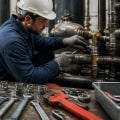
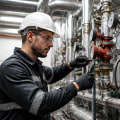
Mechanical services encompass a wide range of activities and processes that are essential for the operation and maintenance of mechanical systems in various industries. These services include installation, repair, and maintenance of equipment such as HVAC systems, plumbing, and industrial machinery. Understanding the definition and scope of mechanical services is crucial for businesses aiming to optimize their operations and ensure the longevity of their equipment. There are several types of mechanical services that cater to different needs. For instance, preventive maintenance focuses on regular inspections and servicing to prevent breakdowns, while reactive maintenance addresses issues as they arise.
Additionally, specialized services such as machining, welding, and fabrication play a vital role in customizing solutions for specific industrial applications. Each type serves a unique purpose, contributing to the overall efficiency and reliability of mechanical systems. The significance of mechanical services in both industrial and commercial settings cannot be overstated. They not only enhance operational efficiency but also ensure compliance with safety regulations and standards. As industries increasingly adopt automation systems, the integration of mechanical services becomes even more critical.
This synergy allows for seamless operations, reducing downtime and improving productivity. By grasping the fundamentals of mechanical services, readers can better appreciate their role in the broader context of automation and technological advancement.
The Role of Automation Systems in Modern Industries
In today's fast-paced industrial landscape, automation systems play a pivotal role in enhancing operational efficiency and productivity. These systems encompass a range of technologies designed to control and monitor processes, reducing the need for human intervention. By integrating automation into mechanical services, industries can achieve significant improvements in performance and reliability.Benefits of Automation
- Increased Efficiency: Automation systems streamline operations, allowing for faster production cycles and reduced downtime.
- Cost Savings: By minimizing labor costs and reducing errors, businesses can significantly lower operational expenses.
- Enhanced Precision: Automated systems provide consistent quality control, ensuring that products meet stringent specifications.
- Improved Safety: Automation reduces the risk of accidents by taking over hazardous tasks, protecting workers from potential harm.
- Fixed or Hard Automation: This type involves the use of specialized equipment to automate a specific set of tasks.
It is ideal for high-volume production but lacks flexibility.
- Programmable Automation: Suitable for batch production, this system allows for reprogramming to accommodate different products or processes.
- Flexible or Soft Automation: This system is designed for environments where product variations are frequent. It utilizes robotic systems that can be easily reconfigured.
How Mechanical Services and Automation Systems Work Together
The integration of mechanical services with automation systems is a transformative process that enhances operational efficiency and reliability across various industries. By combining these two domains, businesses can achieve a level of synergy that not only streamlines processes but also reduces costs and improves safety.Mechanical services
encompass a wide range of functions, including HVAC systems, plumbing, and equipment maintenance.When these services are integrated with automation systems, they can be monitored and controlled remotely, allowing for real-time adjustments and predictive maintenance. This integration is particularly beneficial in environments such as manufacturing plants, where machinery must operate continuously and efficiently.
Examples of Integration
- Smart HVAC Systems: Modern HVAC systems can be automated to adjust temperatures based on occupancy levels or time of day. This not only enhances comfort but also optimizes energy consumption.
- Predictive Maintenance: By utilizing sensors and IoT technology, mechanical services can predict when equipment is likely to fail. This allows for timely interventions before breakdowns occur, minimizing downtime.
- Automated Plumbing Systems: Smart plumbing solutions can detect leaks or blockages in real-time, alerting maintenance teams immediately to prevent extensive damage.
For instance, a leading automotive manufacturer implemented an integrated system that combined robotic assembly lines with automated quality control checks. This not only improved production speed but also significantly reduced defects.In conclusion, the integration of mechanical services with automation systems represents a critical advancement in operational capabilities. By leveraging technology to enhance traditional mechanical functions, businesses can achieve greater efficiency, safety, and cost-effectiveness.
Benefits of Integrating Mechanical Services with Automation Systems
Integrating mechanical services with automation systems offers a multitude of benefits that can significantly enhance operational performance. One of the primary advantages is the improvement in overall efficiency.By automating routine mechanical tasks, businesses can reduce the time and labor required for maintenance and operations. This not only streamlines processes but also minimizes the risk of human error, leading to more consistent outcomes.Moreover, the integration allows for real-time monitoring and diagnostics of mechanical systems. This capability enables proactive maintenance, which can prevent costly breakdowns and extend the lifespan of equipment. With automation systems in place, mechanical services can be scheduled based on actual usage data rather than estimates, ensuring that resources are allocated effectively.
- Cost Savings: One of the most compelling reasons to integrate mechanical services with automation is the potential for significant cost savings.
By reducing labor costs and minimizing downtime through predictive maintenance, companies can achieve a more favorable return on investment.
- Enhanced Productivity: Automation allows for continuous operation without the need for breaks, which can lead to increased productivity levels. Mechanical services that are integrated with automated systems can operate around the clock, maximizing output.
- Improved Safety: Automation reduces the need for human intervention in hazardous environments. By allowing machines to handle dangerous tasks, companies can enhance workplace safety and reduce the likelihood of accidents.
Challenges in Integration and How to Overcome Them
Integrating mechanical services with automation systems can present several challenges that organizations must navigate to achieve seamless functionality.Understanding these challenges is crucial for successful integration.
Common Challenges in Integration
- Compatibility Issues: One of the primary challenges is ensuring that existing mechanical systems are compatible with new automation technologies. This can involve differences in communication protocols, hardware interfaces, and software platforms.
- Data Management: The integration process often requires the consolidation of data from various sources. Poor data management can lead to inaccuracies and inefficiencies, making it difficult to achieve optimal performance.
- Resistance to Change: Employees may resist adopting new automated systems due to fear of job loss or unfamiliarity with technology. This cultural barrier can hinder the integration process.
- Cost Overruns: Budget constraints can pose significant challenges, especially if unexpected issues arise during integration.
Organizations must be prepared for potential financial implications.
Overcoming Integration Challenges
To effectively address these challenges, organizations can implement several best practices:- Conduct Thorough Assessments: Before initiating integration, conduct a comprehensive assessment of existing mechanical systems and identify potential compatibility issues. This proactive approach can save time and resources.
- Invest in Training: Providing training for employees on new automation technologies can alleviate resistance to change and foster a culture of adaptability.
- Utilize Middleware Solutions: Middleware can facilitate communication between disparate systems, helping to bridge compatibility gaps and streamline data management.
- Establish Clear Communication: Maintain open lines of communication among all stakeholders involved in the integration process. This ensures that everyone is aligned on goals and expectations.
Future Trends in Mechanical Services and Automation Integration
The integration of mechanical services with automation systems is poised for significant evolution in the coming years. As industries increasingly adopt smart technologies, several key trends are emerging that will shape this integration.- Increased Use of IoT: The Internet of Things (IoT) is revolutionizing how mechanical services operate.
Sensors embedded in machinery can provide real-time data, allowing for predictive maintenance and enhanced operational efficiency. This connectivity enables seamless communication between mechanical systems and automation platforms.
- AI and Machine Learning: Artificial intelligence (AI) and machine learning are becoming integral to mechanical services. These technologies can analyze vast amounts of data to optimize performance, predict failures, and automate routine tasks, leading to smarter and more efficient systems.
- Advanced Robotics: The rise of advanced robotics is transforming mechanical services. Collaborative robots (cobots) are designed to work alongside human operators, enhancing productivity while ensuring safety.
This trend is particularly evident in manufacturing and logistics sectors.
- Sustainability Initiatives: As industries focus on sustainability, mechanical services are adapting by integrating energy-efficient technologies and practices. Automation systems can help monitor energy consumption and optimize processes to reduce waste, aligning with global sustainability goals.
- Digital Twins: The concept of digital twins—virtual replicas of physical systems—allows for real-time monitoring and simulation of mechanical services. This technology enables better decision-making and enhances the integration process by providing insights into system performance.
FAQs about Mechanical Services and Automation Systems Integration
As the integration of mechanical services with automation systems becomes increasingly prevalent, many individuals and businesses have questions about how these systems work together.Below are some frequently asked questions that can help clarify this integration process.
What are mechanical services?
Mechanical services refer to the installation, maintenance, and repair of mechanical systems within buildings and industrial facilities. This includes HVAC systems, plumbing, and other essential machinery that ensures operational efficiency.How do mechanical services integrate with automation systems?
The integration of mechanical services with automation systems involves connecting various mechanical components to automated controls. This allows for real-time monitoring and management of mechanical operations, enhancing efficiency and reducing energy consumption.What are the benefits of integrating mechanical services with automation?
- Improved Efficiency: Automation optimizes the performance of mechanical systems, leading to reduced operational costs.
- Enhanced Monitoring: Automated systems provide real-time data on mechanical performance, allowing for proactive maintenance.
- Energy Savings: Automation can adjust mechanical operations based on demand, significantly lowering energy usage.
What types of automation systems are commonly integrated with mechanical services?
Common types of automation systems include:- BMS (Building Management Systems): These systems control HVAC, lighting, and security.
- SCADA (Supervisory Control and Data Acquisition): Used in industrial settings for monitoring and controlling processes.
- DCS (Distributed Control Systems): Often used in manufacturing to manage complex processes.