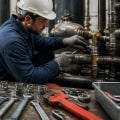
Mechanical services play a crucial role in ensuring the smooth operation of machinery and equipment across various industries, from manufacturing to automotive. These services encompass a wide range of activities, including maintenance, repair, and installation of mechanical systems. Understanding the intricacies of these services is essential for businesses aiming to enhance productivity and minimize downtime. By investing in reliable mechanical services, companies can ensure that their equipment operates at peak efficiency, ultimately leading to improved performance and profitability. The importance of mechanical services cannot be overstated.
In an era where technology is rapidly evolving, the demand for skilled technicians who can manage complex mechanical systems is higher than ever. Regular maintenance not only extends the lifespan of machinery but also prevents unexpected breakdowns that can disrupt operations and incur significant costs. Furthermore, adhering to proper mechanical service protocols contributes to workplace safety, reducing the risk of accidents caused by faulty equipment. As we delve deeper into the topic, it becomes evident that understanding the fundamentals of mechanical services is vital for both employers and employees. This knowledge not only fosters a culture of safety but also empowers teams to recognize potential hazards associated with mechanical operations.
In the following sections, we will explore essential safety precautions that should be taken during mechanical services to protect workers and ensure compliance with industry standards.
Common Hazards in Mechanical Services
Mechanical services encompass a wide range of tasks that can expose workers to various hazards. Understanding these risks is essential for ensuring safety in the workplace. Below are some common hazards associated with mechanical services:- Equipment Malfunctions: Mechanical equipment can fail due to wear and tear, improper maintenance, or manufacturing defects. Such malfunctions can lead to serious accidents, including injuries from moving parts or falling objects.
- Chemical Exposure: Many mechanical services involve the use of hazardous substances, such as lubricants, solvents, and cleaning agents.
Prolonged exposure to these chemicals can result in respiratory issues, skin irritation, or other health problems.
- Physical Injuries: Workers in mechanical services are at risk of physical injuries from lifting heavy objects, repetitive motions, or working in awkward positions. Common injuries include strains, sprains, and fractures.
- Electrical Hazards: Working with electrical systems poses significant risks, including electric shock or electrocution. Proper training and safety measures are crucial when handling electrical components.
- Noisy Environments: Mechanical work often occurs in noisy settings, which can lead to hearing loss over time. Using appropriate hearing protection is vital to mitigate this risk.
Regular training and adherence to safety protocols are essential for maintaining a safe working environment.
Personal Protective Equipment (PPE) for Mechanical Services
When engaging in mechanical services, the use of personal protective equipment (PPE) is crucial to ensure the safety of workers and minimize the risk of injuries. The right safety gear not only protects against physical hazards but also enhances overall workplace safety.- Gloves: Wearing appropriate gloves is essential to protect hands from sharp objects, chemicals, and heat. Different tasks may require different types of gloves, such as cut-resistant gloves for handling sharp tools or chemical-resistant gloves when working with hazardous substances.
- Goggles: Eye protection is vital in mechanical services where debris, chemicals, or sparks may pose a risk to vision. Safety goggles should be worn to shield the eyes from potential hazards, ensuring that they remain safe during operations.
- Helmets: Hard hats are necessary when working in environments where there is a risk of falling objects or overhead hazards.
A properly fitted helmet can prevent serious head injuries and should meet industry safety standards.
- Hearing Protection: In settings where machinery operates at high decibel levels, hearing protection such as earplugs or earmuffs is essential. Prolonged exposure to loud noises can lead to permanent hearing loss, making it imperative to use these protective devices.
- Footwear: Steel-toed boots are recommended for mechanical services to protect feet from heavy objects and provide slip resistance. Proper footwear can significantly reduce the risk of foot injuries on the job.
Safe Work Practices in Mechanical Services
Ensuring safety during mechanical services is paramount for both workers and equipment.Implementing safe work practices can significantly reduce the risk of accidents and injuries. Here are some essential guidelines to follow:
- Proper Tool Usage: Always use the right tools for the job. Ensure that tools are in good condition and suitable for the specific mechanical service being performed. Regularly inspect tools for wear and tear, and replace any damaged items immediately.
- Equipment Maintenance: Regular maintenance of machinery is crucial.
Follow the manufacturer’s recommendations for servicing equipment, including lubrication, cleaning, and part replacements. Keeping equipment well-maintained not only enhances performance but also minimizes safety hazards.
- Personal Protective Equipment (PPE): Always wear appropriate PPE such as gloves, goggles, and steel-toed boots when performing mechanical services. This gear protects against potential injuries from sharp objects, chemicals, or heavy machinery.
- Adherence to Safety Protocols: Familiarize yourself with all safety protocols relevant to your work environment. This includes understanding emergency procedures, proper lifting techniques, and safe operation of machinery.
Regular training sessions can help reinforce these protocols.
- Work Area Organization: Keep the work area clean and organized to prevent accidents. Ensure that tools and materials are stored properly when not in use, and maintain clear pathways to avoid tripping hazards.
Emergency Preparedness and Response in Mechanical Services
In the realm of mechanical services, the significance of emergency preparedness cannot be overstated. Establishing a robust emergency response plan is essential for ensuring the safety of workers and minimizing damage during unforeseen incidents.Training Workers for Emergencies
- Regular training sessions should be conducted to familiarize employees with emergency protocols.
- Workers must understand how to operate safety equipment and know the location of emergency exits.
- Simulated drills can help reinforce procedures and improve response times during actual emergencies.
Establishing Clear Response Protocols
- Every mechanical service operation should have a documented response plan that outlines specific actions to take in various emergency scenarios, such as equipment failure or hazardous material spills.
- The plan should designate roles and responsibilities for team members, ensuring everyone knows their part in an emergency.
- Regular reviews and updates of the response plan are crucial to adapt to new risks or changes in operations.
Communication is Key
- Effective communication channels must be established to alert all personnel during an emergency.
- Utilizing alarms, intercom systems, or mobile alerts can ensure that everyone is informed promptly.
This proactive approach not only protects employees but also enhances operational efficiency by reducing downtime associated with emergencies.
Training and Certification for Safety in Mechanical Services
Ensuring safety in mechanical services begins with comprehensive training and certification programs tailored to the specific needs of the industry. Workers engaged in mechanical tasks must be equipped with the necessary skills and knowledge to identify hazards and implement safety measures effectively.Importance of Training
- Awareness: Training programs raise awareness about potential risks associated with mechanical services, such as equipment malfunctions, hazardous materials, and ergonomic issues.
- Skill Development: Hands-on training enhances practical skills, enabling workers to operate machinery safely and efficiently.
- Emergency Preparedness: Training includes emergency response protocols, ensuring that workers know how to react in case of an accident or equipment failure.
Certification Programs
Certification programs play a crucial role in validating the competency of workers in mechanical services. These programs often cover:
- OSHA Compliance: Many certification courses focus on Occupational Safety and Health Administration (OSHA) standards, ensuring that workers understand regulatory requirements.
- Specialized Skills: Certifications may be available for specific machinery or processes, such as welding, HVAC systems, or heavy equipment operation.
- Continuous Education: Many organizations require ongoing education to maintain certification, promoting a culture of continuous improvement and safety awareness.
Conclusion
The integration of robust training and certification programs is essential for enhancing safety in mechanical services. By investing in these educational initiatives, employers not only protect their workforce but also improve overall operational efficiency and compliance with safety regulations.
Regulatory Standards and Compliance in Mechanical Services
In the realm of mechanical services, adherence to regulatory standards and compliance requirements is paramount for ensuring both legal conformity and the safety of workers.Various organizations and governmental bodies establish these regulations to mitigate risks associated with mechanical operations.
Occupational Safety and Health Administration (OSHA)
regulations play a crucial role in shaping safety practices within the mechanical services industry. OSHA sets forth guidelines that employers must follow to protect their employees from workplace hazards. Key areas covered by OSHA include:
- Hazard Communication: Employers are required to inform workers about the chemicals they may encounter, ensuring proper labeling and safety data sheets are accessible.
- Personal Protective Equipment (PPE): OSHA mandates that appropriate PPE be provided and used by workers to minimize exposure to hazards.
- Machine Safety: Regulations require that machinery be equipped with safety guards and emergency shut-off mechanisms to prevent accidents.
- Equipment Maintenance: Regular inspections and maintenance schedules are essential to prevent equipment failure.
- Training Requirements: Workers must receive adequate training on equipment operation and safety protocols.
- Emergency Procedures: Establishing clear emergency response plans is vital for minimizing risks during unforeseen incidents.
By prioritizing these regulations, companies can significantly reduce workplace accidents, enhance employee morale, and improve overall operational efficiency.
Frequently Asked Questions About Safety in Mechanical Services
When it comes to mechanical services, safety is paramount. Here are some frequently asked questions regarding safety precautions that should be taken during these services:What are the basic safety precautions for mechanical services?
Basic safety precautions include:- Personal Protective Equipment (PPE): Always wear appropriate PPE such as gloves, goggles, and steel-toed boots to protect against injuries.
- Proper Training: Ensure that all personnel are adequately trained in safety protocols and the specific machinery they will be working with.
- Work Area Organization: Keep the work area clean and organized to prevent accidents and ensure easy access to tools and equipment.
- Emergency Procedures: Familiarize yourself with emergency procedures, including the location of first aid kits and emergency exits.
How can I ensure equipment safety during mechanical services?
To ensure equipment safety, consider the following:- Regular Maintenance: Conduct regular maintenance checks on all machinery to identify potential issues before they become serious problems.
- Inspection Before Use: Always inspect tools and equipment for any signs of wear or damage before use.
- Lockout/Tagout Procedures: Implement lockout/tagout procedures to ensure that machines are properly shut down and cannot be started up again until maintenance is complete.
What should I do in case of an accident during mechanical services?
If an accident occurs, follow these steps:- Assess the Situation: Quickly evaluate the severity of the injury or damage.
- Call for Help: Contact emergency services if necessary, or alert a supervisor immediately.
- Provide First Aid: If trained, provide first aid to the injured person while waiting for professional help.
- Document the Incident: Record details of the incident for future reference and to improve safety protocols.
Conclusion: Prioritizing Safety in Mechanical Services
In conclusion, prioritizing safety during mechanical services is not just a regulatory requirement but a fundamental aspect of protecting workers and ensuring operational efficiency. Throughout this article, we have explored various safety precautions that should be implemented to mitigate risks associated with mechanical work.First and foremost, conducting thorough risk assessments before commencing any mechanical service is crucial. This process helps identify potential hazards and allows for the development of effective strategies to address them.Additionally, providing comprehensive training for all personnel involved in mechanical services ensures that they are well-equipped to handle equipment safely and respond appropriately in emergencies.Furthermore, the use of appropriate personal protective equipment (PPE) cannot be overstated. Items such as gloves, goggles, and helmets serve as the first line of defense against injuries. Regular maintenance of tools and machinery also plays a vital role in preventing accidents; ensuring that all equipment is in good working condition minimizes the likelihood of malfunctions.Moreover, fostering a culture of safety within the workplace encourages employees to prioritize their well-being and that of their colleagues. Open communication about safety concerns and regular safety meetings can significantly enhance awareness and compliance among team members.Ultimately, by implementing these safety measures during mechanical services, organizations not only protect their workforce but also enhance productivity and maintain compliance with industry regulations.
A commitment to safety is an investment in the future of both employees and the organization as a whole.