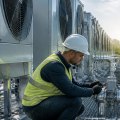
Mechanical services encompass a broad range of activities and solutions that are essential for the efficient operation of various systems and equipment. At its core, mechanical services refer to the maintenance, repair, and installation of mechanical systems, which can include heating, ventilation, air conditioning (HVAC), plumbing, and other machinery. These services are crucial in both residential and commercial settings, ensuring that systems function optimally and safely. The definition of mechanical services extends beyond mere repairs; it involves a comprehensive understanding of mechanical principles and the application of engineering practices to enhance system performance. Professionals in this field are trained to diagnose issues, implement solutions, and provide ongoing support to prevent future problems.
This proactive approach not only improves efficiency but also extends the lifespan of equipment. In today's fast-paced world, where technology is constantly evolving, the role of mechanical services has become increasingly vital. From energy-efficient HVAC systems that reduce utility costs to advanced plumbing solutions that prevent water wastage, these services play a significant role in promoting sustainability and comfort in our daily lives. Understanding what mechanical services entail is the first step toward appreciating their importance in maintaining the infrastructure we rely on.
Types of Mechanical Services
Mechanical services encompass a wide range of specialized fields that ensure the efficient operation of various systems within residential, commercial, and industrial settings. Understanding the different types of mechanical services is crucial for selecting the right professionals for your needs.- HVAC Services: Heating, ventilation, and air conditioning (HVAC) services are essential for maintaining comfortable indoor environments.
These services include installation, repair, and maintenance of heating systems, air conditioning units, and ventilation systems. Proper HVAC management not only enhances comfort but also improves energy efficiency.
- Plumbing Services: Plumbing is another critical category of mechanical services that deals with the installation and maintenance of piping systems for water supply and drainage. This includes fixing leaks, unclogging drains, and installing fixtures such as sinks and toilets. Regular plumbing maintenance can prevent costly repairs and ensure safe water usage.
- Electrical Services: Electrical mechanical services focus on the installation and repair of electrical systems.
This includes wiring, circuit breakers, lighting installations, and troubleshooting electrical issues. Qualified electricians ensure that all electrical work complies with safety standards and regulations.
- Refrigeration Services: This type of service is vital for businesses that rely on refrigeration systems to preserve food and other perishable goods. Refrigeration services include installation, maintenance, and repair of commercial refrigerators and freezers.
- Fire Protection Services: Mechanical services also extend to fire protection systems, which are crucial for safety in both residential and commercial properties. These services involve the installation and maintenance of fire alarms, sprinkler systems, and other fire suppression equipment.
By understanding these types, property owners can make informed decisions when seeking professional assistance.
Importance of Mechanical Services in Various Industries
Mechanical services play a pivotal role in various industries, ensuring that systems operate efficiently and safely. From construction to healthcare, the importance of these services cannot be overstated.In the construction industry , mechanical services are essential for the installation and maintenance of heating, ventilation, and air conditioning (HVAC) systems. These systems not only provide comfort but also ensure proper air quality and energy efficiency in buildings. Additionally, mechanical services facilitate the installation of plumbing systems, which are crucial for sanitation and water supply.The manufacturing sector heavily relies on mechanical services for machinery maintenance and repair.Regular servicing of equipment minimizes downtime and enhances productivity. Mechanical engineers design and implement systems that optimize production processes, ensuring that machinery operates at peak performance. This is particularly important in industries such as automotive and electronics, where precision and reliability are paramount.In the healthcare industry , mechanical services are vital for maintaining medical equipment and ensuring that facilities meet safety standards. From sterilization equipment to HVAC systems in hospitals, these services help create a safe environment for patients and staff alike.
Regular maintenance of these systems is crucial to prevent failures that could jeopardize patient care.Moreover, industries such as energy , transportation , and aerospace also depend on mechanical services to maintain their operational integrity. In energy production, for instance, mechanical engineers work on turbines and generators to ensure they function efficiently.In conclusion, the significance of mechanical services spans across multiple sectors, enhancing operational efficiency, safety, and sustainability. As industries continue to evolve, the demand for skilled mechanical service providers will only increase, highlighting their indispensable role in modern infrastructure.
Key Components of Mechanical Services
Mechanical services encompass a wide range of activities that are essential for the design, installation, and maintenance of mechanical systems. Understanding the key components involved in these services is crucial for ensuring optimal performance and longevity of mechanical systems.- Systems Design: This is the foundational step in mechanical services.
It involves analyzing the specific needs of a project and creating a tailored design that meets those requirements. Factors such as energy efficiency, space constraints, and regulatory compliance are considered during this phase.
- Installation: Once the design is finalized, the next step is installation. This includes the physical setup of mechanical systems such as HVAC (Heating, Ventilation, and Air Conditioning), plumbing, and electrical systems. Proper installation is critical to ensure that systems operate efficiently and safely.
- Maintenance: Regular maintenance is vital for the longevity of mechanical systems.
This includes routine inspections, servicing, and repairs to prevent breakdowns and ensure optimal performance. Scheduled maintenance can significantly reduce operational costs and extend the lifespan of equipment.
- System Upgrades: As technology evolves, upgrading existing systems becomes necessary to improve efficiency and comply with new regulations. Mechanical services often include evaluating current systems and recommending upgrades that enhance performance.
Mechanical Services vs.
Other Service TypesWhen considering mechanical services, it's essential to understand how they differ from other service types, particularly electrical services and plumbing services. Each of these fields specializes in distinct aspects of building maintenance and repair, catering to specific needs.
Mechanical Services vs. Electrical Services
Mechanical services primarily focus on systems that involve heating, ventilation, air conditioning (HVAC), and mechanical systems in buildings. These services ensure that the mechanical components operate efficiently and effectively.In contrast, electrical services deal with the installation, maintenance, and repair of electrical systems, including wiring, lighting, and power distribution.
- Scope of Work: Mechanical services often involve physical components like pumps and compressors, while electrical services focus on circuits and electrical panels.
- Skill Sets: Technicians in mechanical services typically have training in mechanics and thermodynamics, whereas electricians are trained in electrical theory and safety standards.
- Regulatory Standards: Both fields are governed by strict codes; however, the regulations differ significantly due to the nature of their work.
Mechanical Services vs. Plumbing Services
Similarly, when comparing mechanical services to plumbing services, the distinctions become clear. Plumbing focuses on water supply and drainage systems, including pipes, fixtures, and appliances that utilize water. Mechanical services may overlap with plumbing in areas such as HVAC systems that require water for cooling or heating.- Functionality: Mechanical services enhance comfort through climate control, while plumbing ensures proper sanitation and water flow.
- Components: Mechanical technicians work with machinery and HVAC units; plumbers handle pipes, faucets, and sewage systems.
- Emergency Response: Both service types may require urgent attention; however, the nature of emergencies differs—mechanical failures often relate to temperature control, while plumbing issues typically involve leaks or blockages.
Understanding these differences can aid homeowners and businesses in making informed decisions about which service type they need for specific issues.
Choosing the Right Mechanical Service Provider
Choosing the right mechanical service provider is crucial for ensuring that your mechanical systems operate efficiently and reliably. Here are some practical tips to help you make an informed decision:- Assess Experience and Expertise: Look for providers with a proven track record in the industry. Check their experience with specific systems or equipment relevant to your needs.
- Check Credentials: Ensure that the service provider holds the necessary licenses and certifications. This not only guarantees compliance with local regulations but also reflects their commitment to quality.
- Read Reviews and Testimonials: Customer feedback can provide valuable insights into the reliability and quality of service.
Look for reviews on independent platforms to get an unbiased perspective.
- Request Quotes: Obtain detailed quotes from multiple providers. This will help you compare pricing structures and understand what services are included.
- Evaluate Customer Service: A responsive and helpful customer service team is essential. Pay attention to how they communicate during your initial inquiries, as this can be indicative of their overall service quality.
- Inquire About Warranties and Guarantees: A reputable mechanical service provider should offer warranties on their work. This not only protects your investment but also demonstrates their confidence in the services they provide.
Remember, investing time in choosing the right provider can save you money and headaches in the long run.
FAQs About Mechanical Services
When it comes to mechanical services, many people have questions about what they entail and how they can benefit various industries. Here are some of the most frequently asked questions:- What are mechanical services?
Mechanical services refer to a range of activities that involve the design, installation, maintenance, and repair of mechanical systems. These systems can include heating, ventilation, air conditioning (HVAC), plumbing, and other machinery essential for building operations. - Why are mechanical services important?
They are crucial for ensuring that mechanical systems operate efficiently and safely. Regular maintenance can prevent costly breakdowns and extend the lifespan of equipment. - What types of businesses require mechanical services?
A variety of sectors benefit from mechanical services, including residential buildings, commercial properties, manufacturing facilities, and healthcare institutions.Each has unique needs that require specialized mechanical solutions.
- How often should mechanical systems be serviced?
It is generally recommended to have mechanical systems serviced at least once a year. However, the frequency may vary based on usage and specific system requirements. - What qualifications should a mechanical service provider have?
Look for providers with relevant certifications, experience in the field, and positive customer reviews. This ensures that they have the expertise to handle your specific needs effectively.
Future Trends in Mechanical Services
The future of mechanical services is poised for significant transformation, driven by advancements in technology and evolving industry demands.As businesses seek greater efficiency and sustainability, several key trends are emerging that will shape the landscape of mechanical services in the coming years.
- Integration of Smart Technologies: The rise of the Internet of Things (IoT) is revolutionizing mechanical services. Smart sensors and devices enable real-time monitoring and predictive maintenance, allowing companies to address issues before they escalate into costly repairs.
- Sustainability Initiatives: With increasing awareness of environmental impact, mechanical services are shifting towards sustainable practices. This includes the use of energy-efficient systems and materials, as well as the implementation of recycling programs for old equipment.
- Automation and Robotics: Automation is becoming a cornerstone in mechanical services. Robotics can perform repetitive tasks with precision, reducing labor costs and minimizing human error.
This trend not only enhances productivity but also allows skilled workers to focus on more complex challenges.
- Advanced Materials: The development of new materials, such as composites and smart alloys, is changing how mechanical systems are designed and manufactured. These materials offer improved performance characteristics, such as increased strength-to-weight ratios and enhanced durability.
- Data Analytics: The use of big data analytics is transforming decision-making processes within mechanical services. By analyzing performance data, companies can optimize operations, improve service delivery, and enhance customer satisfaction.
Conclusion: The Role of Mechanical Services in Modern Society
In conclusion, mechanical services play a pivotal role in the functionality and efficiency of modern society.From residential heating and cooling systems to industrial machinery, these services ensure that our environments are comfortable, safe, and productive. The importance of mechanical services extends beyond mere convenience; they are essential for maintaining the infrastructure that supports our daily lives.As we have explored, the scope of mechanical services encompasses a wide range of applications, including:
- HVAC systems: Providing climate control in homes and businesses.
- Plumbing services: Ensuring clean water supply and waste management.
- Industrial maintenance: Keeping machinery operational to prevent costly downtimes.
- Energy efficiency solutions: Helping reduce energy consumption and environmental impact.
By investing in training and education, we can ensure that future generations are equipped to meet the demands of an ever-changing landscape.Ultimately, understanding the significance of mechanical services encourages us to appreciate the intricate systems that support our daily lives. As we move forward, it is crucial to continue exploring advancements in this field to enhance efficiency, safety, and sustainability for all.