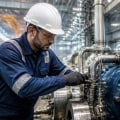
Mechanical services encompass a wide range of activities and processes that are essential for the operation and maintenance of mechanical systems across various industries. These services include installation, repair, and maintenance of equipment such as HVAC systems, plumbing, and industrial machinery. Understanding the scope of mechanical services is crucial, as they play a pivotal role in ensuring efficiency, safety, and reliability in both residential and commercial settings. The importance of mechanical services cannot be overstated. They not only contribute to the longevity of equipment but also enhance energy efficiency, which is increasingly vital in today’s environmentally conscious world.
As industries evolve and technology advances, the demand for skilled professionals in mechanical services continues to grow. This sector is integral to maintaining operational standards and minimizing downtime, which can significantly impact productivity and profitability. As we look towards the future, it is essential to recognize how mechanical services will adapt to emerging technologies and changing market demands. Innovations such as automation, smart systems, and sustainable practices are set to redefine the landscape of mechanical services in the U.S. By understanding these trends now, businesses can better prepare for the challenges and opportunities that lie ahead.
Current State of Mechanical Services in the U.S.
The mechanical services industry in the U.S.is currently experiencing significant growth, driven by advancements in technology and increasing demand for energy-efficient solutions. As of 2023, the market size for mechanical services is estimated to be around $50 billion, with a projected annual growth rate of 5% over the next five years. This growth is largely attributed to the rising need for maintenance and repair services across various sectors, including residential, commercial, and industrial.
Current Trends in Mechanical Services
- Integration of Smart Technologies: The adoption of smart HVAC systems and IoT devices is transforming how mechanical services are delivered. These technologies enable real-time monitoring and predictive maintenance, reducing downtime and improving efficiency.
- Sustainability Focus: There is a growing emphasis on sustainable practices within the industry.
Companies are increasingly offering eco-friendly solutions, such as energy-efficient heating and cooling systems, to meet regulatory standards and consumer preferences.
- Workforce Development: As the industry evolves, there is a pressing need for skilled labor. Many companies are investing in training programs to equip technicians with the necessary skills to handle advanced technologies.
- Johnson Controls: A leader in building efficiency solutions, Johnson Controls focuses on integrating technology with mechanical services.
- Carrier: Known for its innovative HVAC systems, Carrier continues to push the boundaries of energy efficiency.
- Trane Technologies: This company emphasizes sustainability and offers a range of mechanical services tailored to various industries.
- BIM (Building Information Modeling): This technology enhances project planning and execution by providing detailed 3D models.
- Drones: Used for inspections and assessments, drones improve safety and efficiency in service delivery.
- Augmented Reality (AR): AR applications assist technicians in troubleshooting and repairs by overlaying digital information onto physical equipment.
Technological Advancements Shaping Mechanical Services
The landscape of mechanical services in the U.S.is undergoing a significant transformation, driven by rapid advancements in technology. These innovations are not only enhancing operational efficiency but also redefining service delivery standards across the industry.
Automation in Mechanical Services
One of the most impactful trends is the rise of automation. Automated systems are increasingly being integrated into mechanical services, allowing for streamlined processes and reduced human error. For instance, robotic process automation (RPA) can handle repetitive tasks such as scheduling maintenance or managing inventory, freeing up skilled technicians to focus on more complex issues.This shift not only improves productivity but also enhances service reliability.
The Role of IoT
The Internet of Things (IoT) is another game-changer for mechanical services. By connecting devices and systems through the internet, IoT enables real-time monitoring and data collection. For example, HVAC systems equipped with IoT sensors can provide insights into performance metrics, allowing for predictive maintenance. This proactive approach minimizes downtime and extends equipment lifespan, ultimately leading to cost savings for businesses.Artificial Intelligence Enhancements
Artificial Intelligence (AI) is also making waves in the mechanical services sector.AI algorithms can analyze vast amounts of data to identify patterns and predict failures before they occur. This capability allows service providers to implement maintenance strategies that are not only timely but also tailored to specific equipment needs. As a result, companies can enhance their service offerings while ensuring customer satisfaction.In conclusion, the future of mechanical services in the U.S. is poised for remarkable growth, driven by automation, IoT, and AI technologies.
These advancements promise to create a more efficient, reliable, and customer-centric industry that meets the evolving demands of modern businesses.
Sustainability and Environmental Impact
The mechanical services industry is undergoing a significant transformation as sustainability becomes a central focus. Companies are increasingly recognizing the importance of sustainable mechanical services not only for compliance with regulations but also for enhancing their brand reputation and operational efficiency.One of the primary ways mechanical service providers are adapting is through the integration of green technologies. These technologies include energy-efficient HVAC systems, advanced building automation systems, and renewable energy solutions such as solar thermal and geothermal systems. By implementing these innovations, companies can significantly reduce their carbon footprint while providing clients with cost-effective solutions.Moreover, the environmental impact of mechanical services extends beyond just energy consumption.The materials used in mechanical installations and repairs also play a crucial role. Many companies are now prioritizing the use of recyclable and eco-friendly materials, which not only minimizes waste but also promotes a circular economy within the industry.
- Energy Efficiency: Mechanical services are focusing on optimizing energy use in buildings, which can lead to substantial reductions in greenhouse gas emissions.
- Waste Reduction: Implementing practices that minimize waste during installation and maintenance processes is becoming standard.
- Regulatory Compliance: Adhering to stricter environmental regulations is pushing companies to innovate and adopt sustainable practices.
The Role of Skilled Labor in Mechanical Services
The future of mechanical services in the U.S.heavily relies on the availability and expertise of skilled labor. As technology advances and the demand for sophisticated mechanical systems increases, the need for a well-trained workforce becomes more critical than ever.
Workforce challenges
in the mechanical services sector are multifaceted. One significant issue is the aging workforce; many experienced technicians are nearing retirement, leading to a potential skills gap. According to industry reports, nearly 50% of skilled workers in this field are over the age of 50, raising concerns about who will fill these roles as they exit the workforce.Moreover, attracting younger generations to pursue careers in mechanical services has proven challenging.Many young people are unaware of the lucrative opportunities available in this field or may be deterred by misconceptions about vocational training. To combat this, it is essential to promote awareness and highlight the benefits of a career in mechanical services.
Training for mechanical services jobs
must evolve to meet current and future demands. Educational institutions and industry leaders should collaborate to develop comprehensive training programs that incorporate both traditional skills and modern technologies such as automation and robotics. This approach not only prepares students for immediate job opportunities but also equips them with the adaptability needed for future advancements.
- Hands-on training: Practical experience is crucial; apprenticeships and internships can provide invaluable real-world exposure.
- Certification programs: Offering certifications can enhance credibility and ensure that workers meet industry standards.
- Continuous education: As technology evolves, ongoing training will be necessary to keep skills relevant.
By investing in training and promoting careers in mechanical services, we can ensure a robust workforce ready to tackle the demands of tomorrow.
Future Trends and Predictions for Mechanical Services
The future of mechanical services in the U.S. is poised for significant transformation, driven by technological advancements and evolving market demands. As industries increasingly prioritize efficiency and sustainability, several key trends are emerging that will shape the landscape of mechanical services.1.Integration of Smart Technologies
One of the most notable trends is the integration of smart technologies into mechanical systems. The rise of the Internet of Things (IoT) allows for real-time monitoring and predictive maintenance, reducing downtime and enhancing operational efficiency.Companies are investing in smart sensors and automation tools that enable them to gather data and make informed decisions about their mechanical systems.
2.Emphasis on Sustainability
As environmental concerns continue to grow, there is a strong push towards sustainable practices within the mechanical services industry. This includes the adoption of energy-efficient systems and renewable energy sources. Mechanical service providers are increasingly focusing on solutions that minimize environmental impact, such as HVAC systems that utilize green technology.3.Workforce Development and Training
The demand for skilled labor in mechanical services is expected to rise as new technologies emerge. Companies will need to invest in workforce development programs to ensure their employees are equipped with the necessary skills to operate advanced machinery and systems.This focus on training will be crucial in maintaining a competitive edge in the industry.
4.Customization and Flexibility
With businesses seeking tailored solutions to meet their specific needs, customization will become a key focus area for mechanical service providers. The ability to offer flexible service packages that can adapt to changing requirements will be essential for success in this evolving market.5.Predictions for Market Growth
Experts predict that the mechanical services industry will experience robust growth over the next decade, driven by increased infrastructure spending and technological advancements. As companies look to modernize their operations, the demand for innovative mechanical solutions will continue to rise.In conclusion, the future of mechanical services in the U.S. is bright, characterized by innovation, sustainability, and a skilled workforce ready to embrace new challenges.By staying ahead of these trends, businesses can position themselves for success in an ever-evolving landscape.
Challenges Facing the Mechanical Services Industry
The mechanical services industry in the U.S. is poised for growth, yet it faces a myriad of challenges that could hinder its progress. Understanding these obstacles is crucial for service providers aiming to navigate the evolving landscape.Economic Factors:
One of the primary challenges is the fluctuating economy. Economic downturns can lead to reduced budgets for maintenance and upgrades, forcing mechanical service providers to compete for fewer contracts.Additionally, rising material costs can squeeze profit margins, making it essential for companies to find innovative ways to manage expenses.
Regulatory Changes:
The mechanical services sector is heavily influenced by regulations at both state and federal levels. Changes in environmental regulations, safety standards, and labor laws can impose additional compliance costs on service providers. Staying abreast of these changes requires ongoing training and adaptation, which can be resource-intensive.Competition:
The competitive landscape is another significant challenge. With the rise of new technologies and service models, traditional mechanical service providers must adapt or risk losing market share to more agile competitors.This includes embracing digital transformation and investing in advanced tools that enhance efficiency and customer satisfaction.
- Technological Advancements: As technology evolves, so do customer expectations. Mechanical service providers must continually upgrade their skills and tools to meet these demands.
- Labor Shortages: The industry is also grappling with a shortage of skilled labor. Attracting and retaining qualified technicians is becoming increasingly difficult, which can impact service delivery and operational efficiency.
Conclusion: The Path Forward for Mechanical Services
As we look towards the future of mechanical services in the United States, it is clear that adaptability and innovation will be the cornerstones of success.The industry is at a pivotal moment, driven by advancements in technology, evolving consumer expectations, and a growing emphasis on sustainability.One of the most significant trends shaping the future is the integration of smart technologies. The rise of smart buildings and IoT (Internet of Things) devices is transforming how mechanical systems are designed, monitored, and maintained. These technologies not only enhance efficiency but also provide valuable data that can lead to proactive maintenance strategies.Moreover, the push for sustainability is prompting mechanical service providers to adopt greener practices. This includes utilizing energy-efficient systems and exploring renewable energy sources.
As regulations become stricter and consumers become more environmentally conscious, companies that prioritize sustainability will likely gain a competitive edge.
- Embracing Innovation: Companies must invest in research and development to stay ahead of technological advancements.
- Training and Development: Continuous education for technicians on new technologies and practices will be essential.
- Customer-Centric Approaches: Understanding client needs and providing tailored solutions will foster long-term relationships.