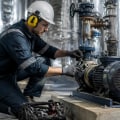
Mechanical services play a crucial role in the functionality and efficiency of various industries, encompassing a wide range of activities related to the design, installation, maintenance, and repair of mechanical systems. These services are essential for ensuring that machinery and equipment operate smoothly, thereby minimizing downtime and enhancing productivity. From HVAC systems in commercial buildings to complex manufacturing machinery, mechanical services are integral to maintaining operational integrity. The importance of mechanical services cannot be overstated. They not only contribute to the longevity of equipment but also ensure compliance with safety regulations and industry standards.
In sectors such as construction, automotive, and aerospace, the reliability of mechanical systems directly impacts overall performance and safety. As technology advances, the demand for skilled professionals who can provide these services has surged, highlighting the need for proper certifications and training. Understanding what constitutes mechanical services is vital for businesses looking to optimize their operations. This includes recognizing the various types of services offered, such as preventive maintenance, system upgrades, and emergency repairs. By investing in qualified mechanical service providers, companies can safeguard their assets and enhance their operational capabilities.
Key Certifications for Mechanical Services Providers
When selecting a mechanical services provider, understanding the certifications they hold is crucial for ensuring quality and compliance.Here are some of the key certifications that reputable mechanical services providers should possess:
- HVAC Excellence Certification: This certification demonstrates a provider's expertise in heating, ventilation, and air conditioning systems. It ensures that technicians are knowledgeable about the latest technologies and best practices in HVAC.
- National Institute for Certification in Engineering Technologies (NICET): NICET offers certifications for various engineering fields, including mechanical services. A NICET certification indicates that the provider has met rigorous standards in their technical knowledge and skills.
- American Society of Mechanical Engineers (ASME) Certification: ASME certification is essential for companies involved in manufacturing and installation of mechanical systems. It signifies adherence to industry standards and safety regulations.
- ISO 9001 Certification: This international standard focuses on quality management systems.
A mechanical services provider with ISO 9001 certification demonstrates a commitment to delivering high-quality services consistently.
- EPA Certification: For providers dealing with refrigerants, having an Environmental Protection Agency (EPA) certification is mandatory. This certification ensures compliance with environmental regulations regarding the handling of hazardous materials.
Industry-Specific Certifications
When selecting a mechanical services provider, it is crucial to consider their industry-specific certifications. These certifications not only demonstrate a provider's expertise but also ensure compliance with industry standards and regulations.Below are some key certifications relevant to the mechanical services sector, particularly in HVAC and plumbing.
HVAC Certifications
The HVAC (Heating, Ventilation, and Air Conditioning) industry requires specialized knowledge to ensure systems operate efficiently and safely. Some of the most recognized certifications include:- EPA Section 608 Certification: This certification is mandatory for technicians who handle refrigerants. It ensures they understand the environmental regulations surrounding refrigerant management.
- NATE Certification: The North American Technician Excellence (NATE) certification is a widely respected credential that validates a technician's skills in HVAC installation and service.
- HVAC Excellence Certification: This certification focuses on various aspects of HVAC technology, including installation, maintenance, and repair.
Plumbing Certifications
In the plumbing sector, certifications are essential for ensuring that providers adhere to safety standards and building codes. Key certifications include:- Journeyman Plumber License: This license is typically required after completing an apprenticeship program and passing a state exam.
It signifies that the plumber has the necessary skills and knowledge to perform plumbing work independently.
- Master Plumber License: A step above the journeyman level, this certification indicates advanced knowledge and experience in plumbing systems, allowing for greater responsibilities.
- Certified Plumbing Design Technician (CPDT): Offered by the American Society of Plumbing Engineers (ASPE), this certification focuses on the design aspects of plumbing systems.
The Role of Safety Certifications
In the mechanical services industry, safety certifications play a crucial role in ensuring that providers adhere to established safety standards and regulations. These certifications not only protect workers but also enhance the credibility of the service provider in the eyes of clients and regulatory bodies.One of the most recognized certifications is the Occupational Safety and Health Administration (OSHA) certification. OSHA sets forth guidelines that aim to prevent workplace injuries and illnesses.Mechanical services providers who are OSHA certified demonstrate their commitment to maintaining a safe working environment, which is essential in a field that often involves heavy machinery and hazardous materials.Additionally, there are several other important safety standards that mechanical services providers should consider:
- ISO 45001: This international standard focuses on occupational health and safety management systems, helping organizations improve employee safety, reduce workplace risks, and create better working conditions.
- ANSI Standards: The American National Standards Institute (ANSI) develops safety standards that are widely recognized across various industries, including mechanical services.
- NFPA Standards: The National Fire Protection Association (NFPA) provides guidelines for fire safety, which is particularly relevant for mechanical services that involve high-temperature processes or flammable materials.
How to Verify Certifications
Verifying the certifications of a mechanical services provider is essential to ensure that you are hiring a qualified professional. Here are some steps to effectively check a provider's credentials:- Request Documentation: Start by asking the provider for copies of their certifications.
Reputable companies should readily provide this information.
- Check Certification Bodies: Identify the organizations that issued the certifications. Look for well-known and respected certification bodies in the mechanical services industry, such as the National Institute for Certification in Engineering Technologies (NICET) or the American Society of Mechanical Engineers (ASME).
- Verify Online: Many certification bodies offer online verification tools. Use these resources to confirm that the provider's certifications are current and valid. This step is crucial as certifications can expire or be revoked.
- Contact Certification Bodies: If online verification is not available, consider contacting the certification body directly.
They can provide confirmation of a provider's credentials and any relevant details about their certification status.
- Look for Additional Credentials: Beyond basic certifications, check if the provider has additional qualifications, such as specialized training or memberships in professional organizations. These can indicate a commitment to ongoing education and industry standards.
- Read Reviews and Testimonials: Research customer reviews and testimonials regarding the provider’s work. Feedback from previous clients can give insights into their reliability and professionalism.
Frequently Asked Questions about Mechanical Services Certifications
When considering a mechanical services provider, understanding their certifications can be crucial.Here are some frequently asked questions regarding these certifications:
- What are the essential certifications for mechanical services providers?
Mechanical services providers should ideally hold certifications such as HVAC Excellence, NATE (North American Technician Excellence), and EPA Section 608. These certifications ensure that technicians are knowledgeable about industry standards and practices. - How do certifications impact the quality of service?
Certifications often indicate that a provider has undergone rigorous training and testing. This can lead to higher quality service, as certified technicians are more likely to stay updated on the latest technologies and safety protocols. - Are there state-specific certifications I should be aware of?
Yes, many states have specific licensing requirements for mechanical services. It's important to check local regulations to ensure that your provider meets all necessary state certifications. - Can I verify a provider's certifications?
Absolutely! Most reputable mechanical services providers will display their certifications on their website or upon request.You can also contact the certifying organizations directly to verify a provider's credentials.
- What if a provider lacks certain certifications?
While some smaller companies may not have all the certifications, it’s essential to assess their experience and customer reviews. However, opting for certified providers generally offers peace of mind regarding their expertise.
Conclusion: The Importance of Certifications in Mechanical Services
In conclusion, the significance of certifications in the field of mechanical services cannot be overstated. These credentials not only serve as a testament to a provider's expertise and commitment to quality but also play a crucial role in ensuring safety and compliance with industry standards.Throughout this article, we have explored various certifications that mechanical services providers should possess, including:- HVAC Excellence Certification
- NATE Certification
- EPA Certification
- ISO Certifications
- State Licenses
By choosing a mechanical services provider with the appropriate certifications, clients can have greater confidence in the quality of work performed and the safety of their systems.Moreover, certified providers are often more knowledgeable about the latest technologies and best practices in the industry. This not only enhances their service offerings but also ensures that clients benefit from innovative solutions that can lead to improved efficiency and cost savings.Ultimately, when selecting a mechanical services provider, it is essential to prioritize those who hold relevant certifications. Doing so not only safeguards your investment but also contributes to the overall reliability and longevity of your mechanical systems. In an industry where expertise and compliance are paramount, certifications serve as a vital indicator of a provider's capability and professionalism.